
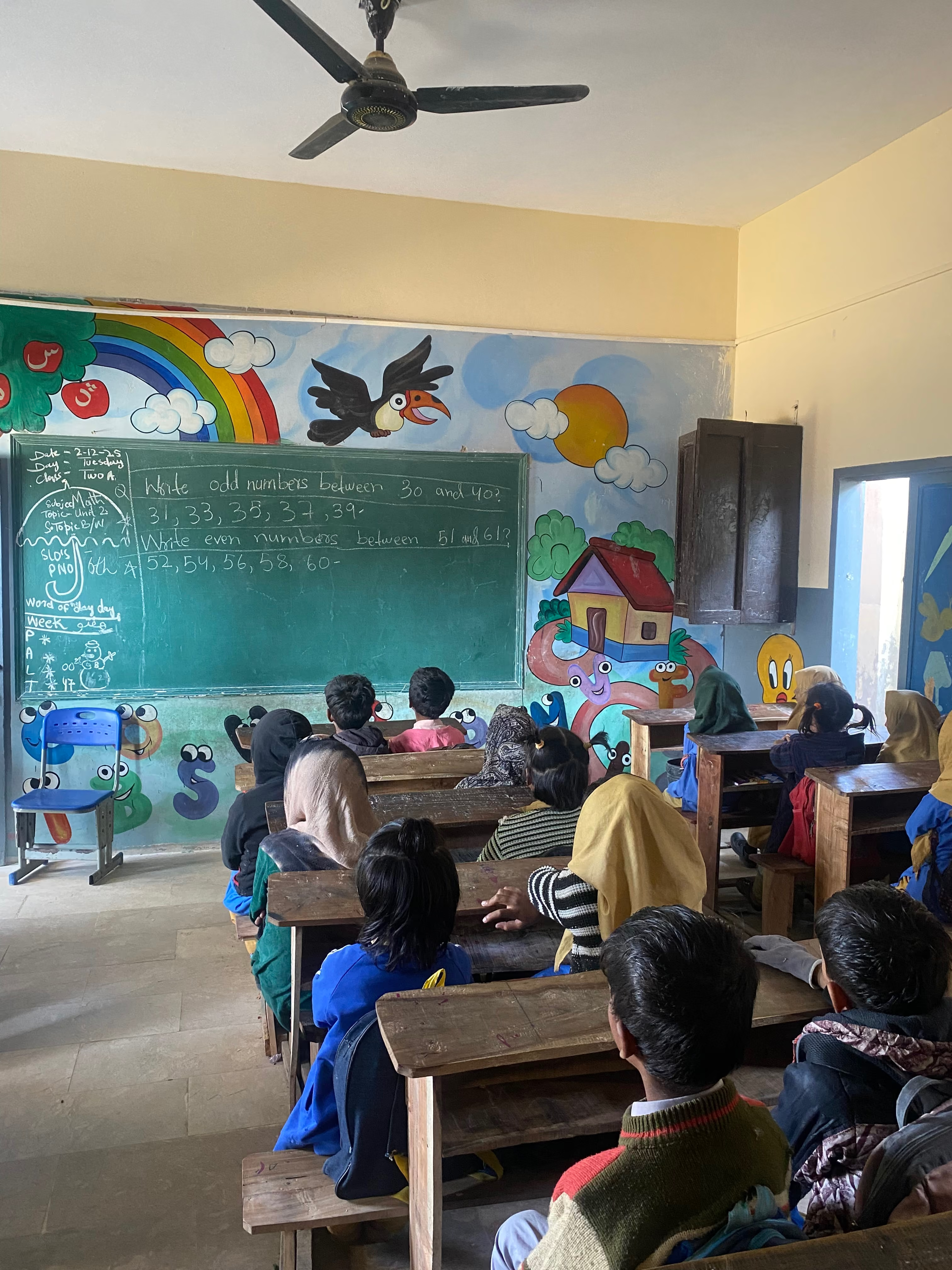
Child Migrants’ Education Access Amidst Climate-Induced Disruptions in Pakistan
A 12-month research and advocacy project by the Centre for Human Rights Research (CFHR), generating evidence and actionable policy pathways to protect the right to education for climate-induced child migrants in Sindh and Khyber Pakhtunkhwa.
Location: Sindh and Khyber Pakhtunkhwa
Duration: May 2025 - June 2026
Funding & Partnership: This project is undertaken through the Data and Research in Education – Research Consortium (DARE-RC) , funded by Oxford Policy Management, UK International Development from the UK government.
Project Overview
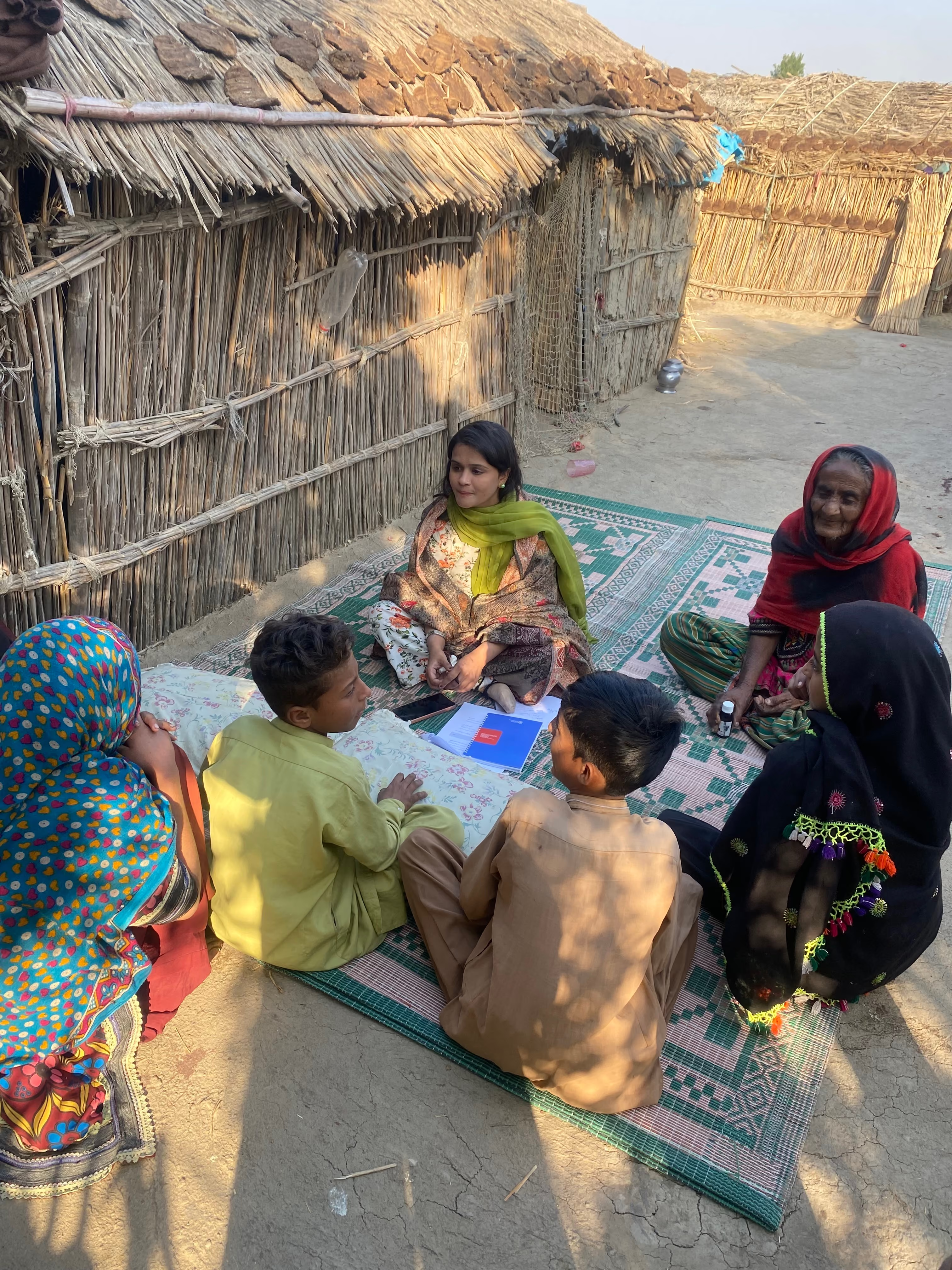
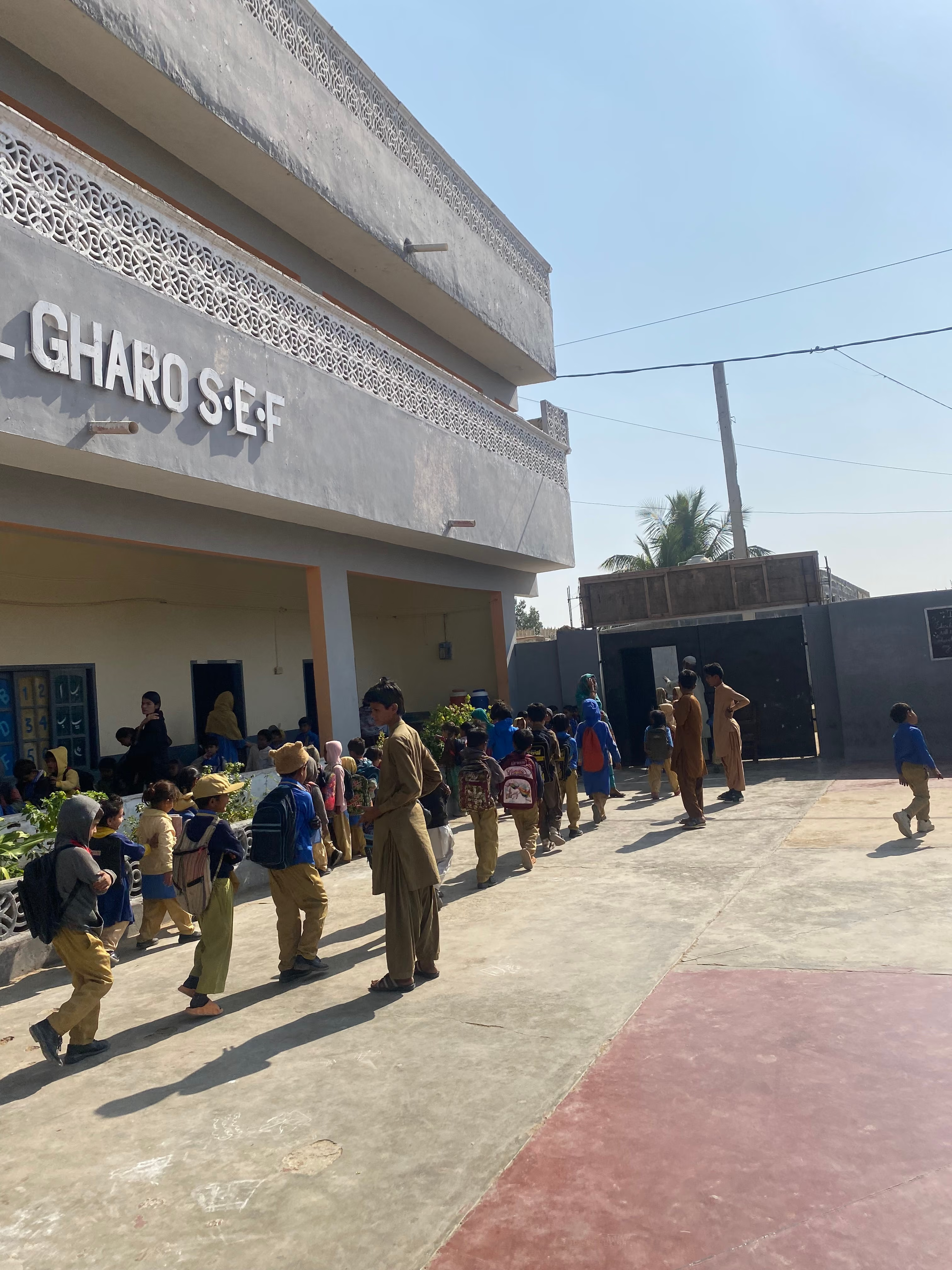
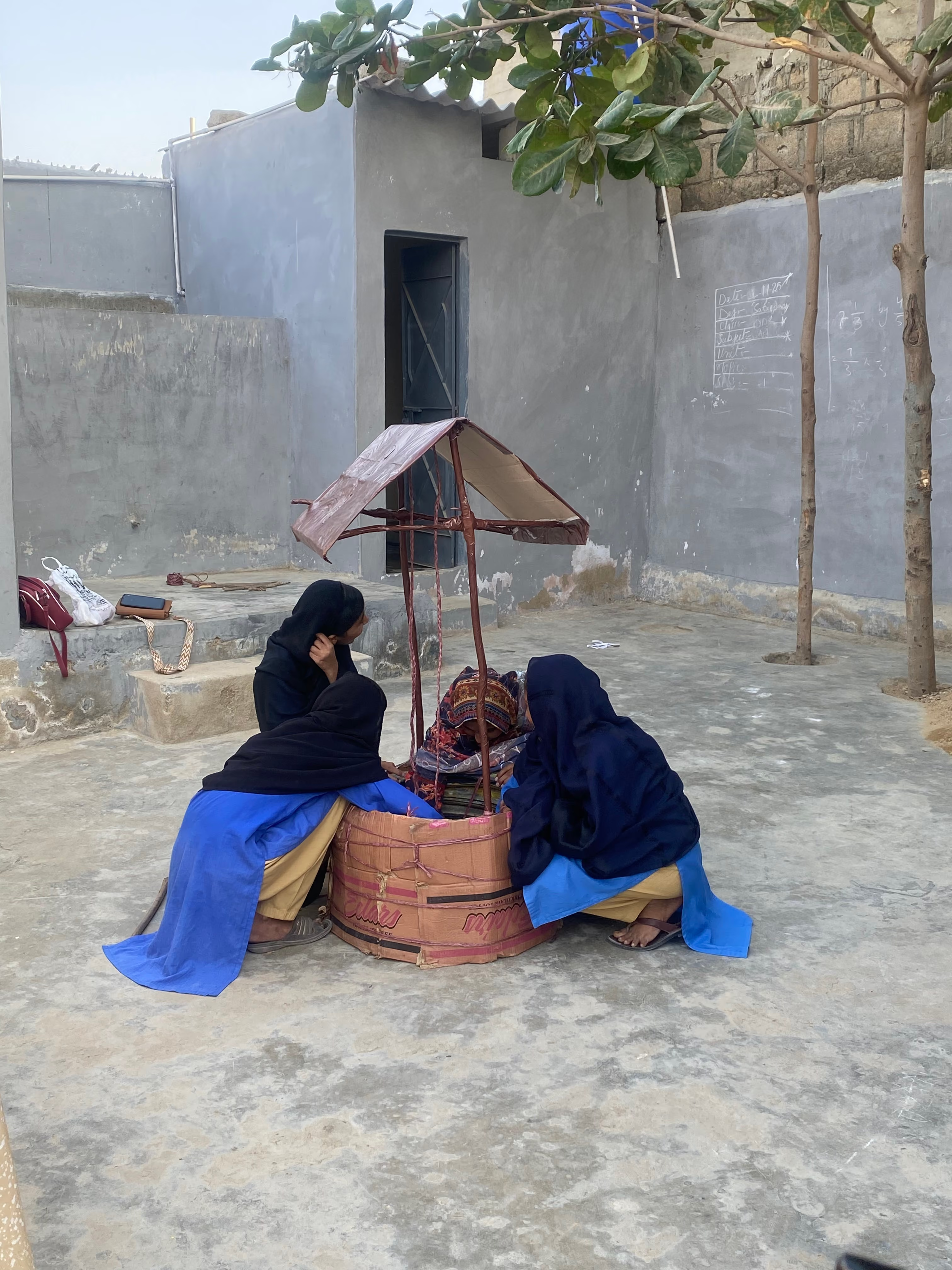
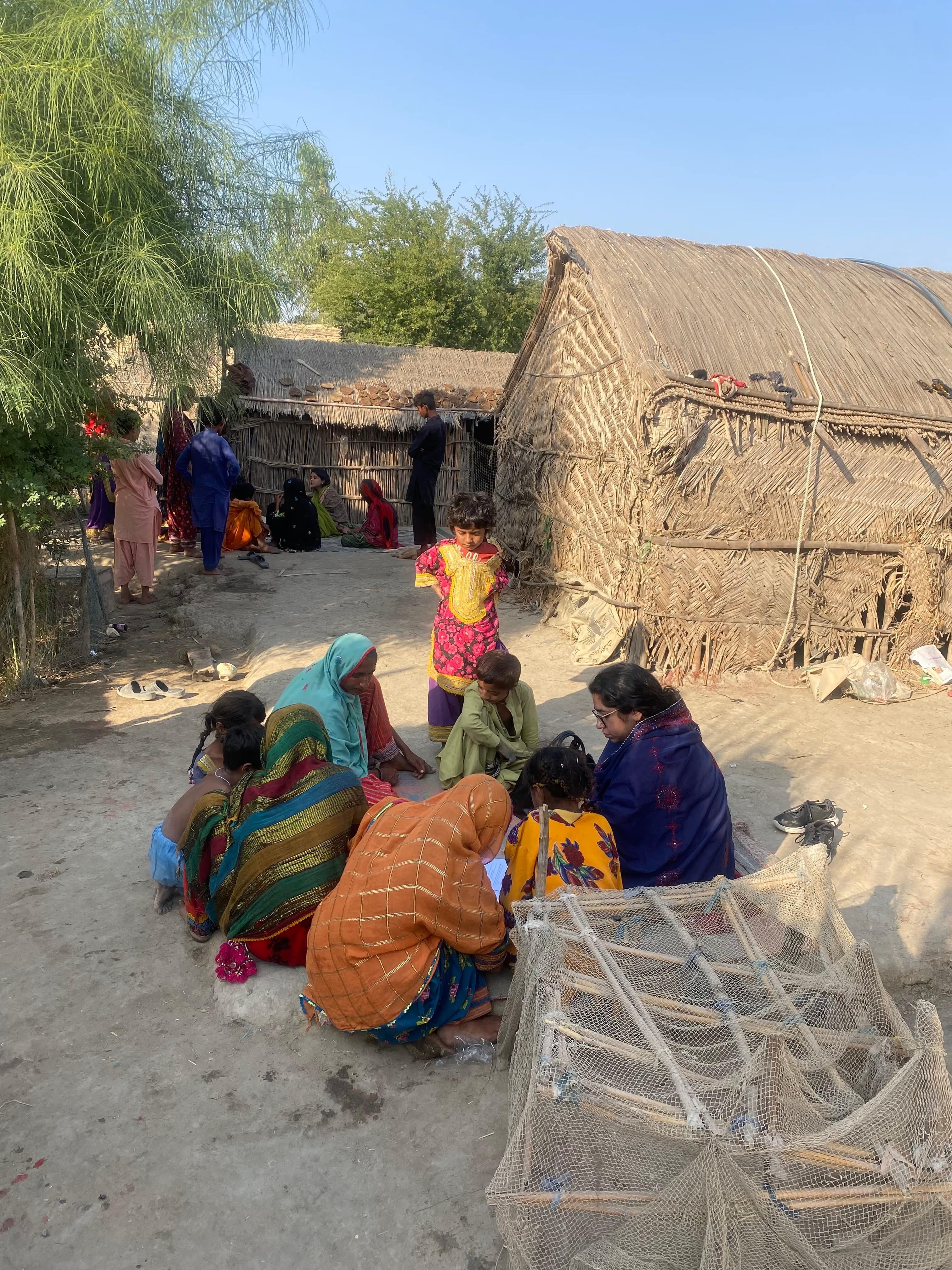
Climate-induced migration can disrupt children’s education long after a climate disaster, threatening educational continuity and deepening existing inequalities. Against this backdrop, CFHR, along with the Data and Research in Education – Research Consortium (DARE-RC), conducted a qualitative study, Tracing Child Migrants’ Education Access, Continuity, and Quality Amidst Climate-Induced Disruptions in Pakistan, examining how climate-induced migration affects children’s access to, continuity in and quality of education in Sindh and Khyber Pakhtunkhwa. The study engaged 139 participants through semi-structured interviews and focus group discussions, conducted 22 key informant interviews, and involved 45 participants in multi-stakeholder consultations to validate preliminary findings. Centring the experiences of climate-induced child migrants and their families, the research identifies barriers to enrolment, interrupted learning and educational exclusion, generating evidence and policy recommendations to strengthen inclusive, equitable and climate-responsive education systems and uphold climate-induced child migrants’ right to education.
About the Study
Climate-induced migration can disrupt children's education long after the immediate effects of a climate disaster have passed. Children who migrate following floods, rising sea levels and other climate-related events may encounter barriers to school enrolment, interrupted learning, unaffordable education and exclusion from unfamiliar school environments.
CFHR conducted this qualitative study to examine how climate-induced migration shapes children's access to, continuity in and quality of education in Sindh and Khyber Pakhtunkhwa (KP). Moving beyond the immediate aftermath of climate disasters, the research traces the educational experiences of children affected by temporary, seasonal and permanent migration.
Grounded in human rights, intersectionality and educational resilience, the study examines how gender, poverty, minority status, documentation requirements and education system constraints shape children's educational trajectories. It centres the lived experiences of children and their families to identify barriers to education and inform more inclusive, equitable and climate-responsive education policies.
Research at a Glance
- Geographical focus: Sindh and Khyber Pakhtunkhwa.
- Research approach: Qualitative, participatory research.
- Methods: Semi-structured interviews, focus group discussions, key informant interviews and multi-stakeholder consultations.
- Policy focus: Educational access, continuity, quality and resilience among climate-induced child migrants.
Key Findings
Our research has uncovered critical insights into the educational challenges faced by CCMs and their families:
- Access to education remains uneven. Migration can improve access to schools for some children while creating new barriers for others. Distance, transport costs, unsafe routes, documentation requirements and the limited availability of affordable schools can prevent children from enrolling after migration.
- Migration can interrupt educational continuity. Repeated seasonal migration, rigid admission and transfer requirements, prolonged periods out of school and difficulties transitioning between curricula and languages can create learning gaps and delay educational progression.
- Enrolment does not guarantee quality education. Overcrowded classrooms, teacher shortages, inadequate school facilities, language barriers and discrimination can undermine children's participation and learning, even when they manage to access a school.
- Intersecting inequalities deepen exclusion. Girls, children from economically marginalised households, religious minorities and children from migrant communities can face additional barriers shaped by safety concerns, gender norms, livelihood pressures and identity-based discrimination.
- Community support helps, but systemic responses are needed. Families, peers, community initiatives and some schools help children navigate educational disruptions. However, sustainable solutions require education systems to respond to mobile populations through flexible enrolment, portable school records, targeted learning support and long-term planning
From Research to Policy
The study identifies opportunities to strengthen education systems so that climate-induced migration does not become a pathway to prolonged educational exclusion. Its recommendations call for flexible and inclusive school admissions, safer and more accessible schools, measures to support learning continuity, improved education provision in migrant-hosting areas, and the integration of climate-induced child migrants into education sector planning.
The research also highlights the importance of coordinated action by government education departments, civil society organisations and development partners to protect children's right to education before, during and after displacement.
Read the Research
- Full Research Report
Tracing Child Migrants' Education Access, Continuity, and Quality Amidst Climate-Induced Disruptions in Pakistan
Authors: Seher Aftab and Ali Imtinan
- Provincial Policy Briefs
Tracing Child Migrants' Educational Trajectories Amidst Climate Disruptions in Sindh
Tracing Child Migrants' Educational Trajectories Amidst Climate Disruptions in Khyber Pakhtunkhwa
Global & National Event Highlights:
1. KP Policy Roundtable | Peshawar
On 26 August 2025, the KP Policy Roundtable was held at the University of Peshawar, bringing together education policymakers, representatives of the Khyber Pakhtunkhwa Elementary and Secondary Education Department, researchers and other stakeholders to discuss priorities for the province’s education system. Seher Aftab, Research and Advocacy Lead at the CFHR and Principal Investigator for the DARE-RC study on climate-induced child migrants, participated as a panellist. The presentation highlighted how climate-induced migration can disrupt schooling and create barriers to enrolment, particularly for marginalised children, emphasising the importance of incorporating these challenges into inclusive, climate-responsive education planning in KP.
2. 13th International Conference: Raising Children in Our Times | Karachi
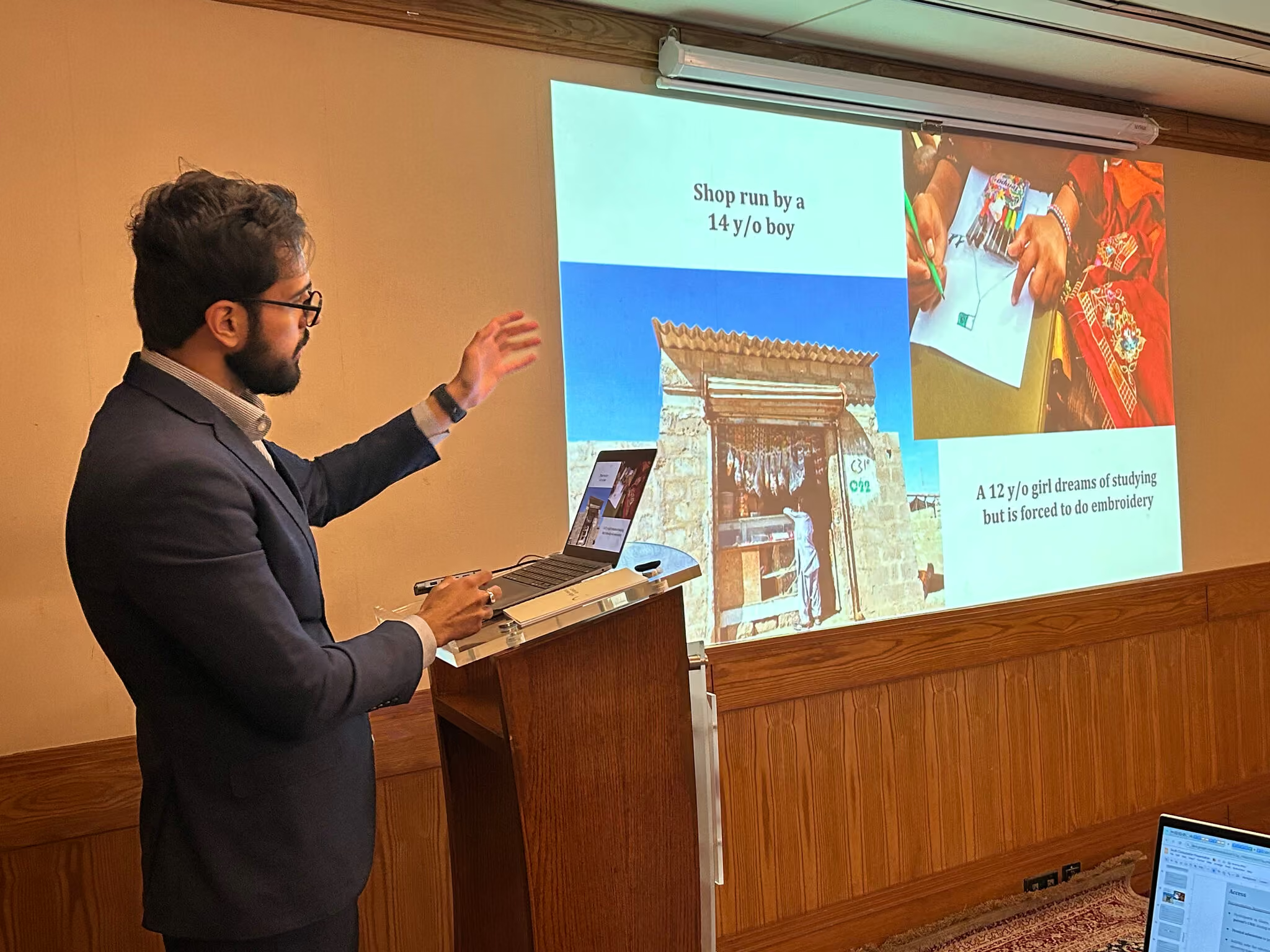
Held on 15–16 October 2025 in Karachi, the 13th International Conference, Raising Children in Our Times, was organised by the Aga Khan University’s Institute for Educational Development (AKU-IED). On 16 October, Seher Aftab, Research and Advocacy Lead at the CFHR and Principal Investigator for the study, presented CFHR’s DARE-RC research as part of the symposium Developing Resilient and Inclusive Education Service Delivery through Improved Systems Coherence. Drawing on preliminary findings from Sindhabad, Karachi, her presentation examined how climate-induced migration intersects with poverty, gender and other barriers to education. The findings underscored the need for education systems to better accommodate migrant children and address the circumstances that can prevent them from enrolling in or continuing school.
3. DARE-RC Education Summit 2025 | Islamabad
On 17–18 December 2025, the Data and Research in Education – Research Consortium (DARE-RC) convened its Education Summit, DARE to Transform: Mobilising Research for Equitable Education in Pakistan, at Allama Iqbal Open University, Islamabad. The summit brought together researchers, policymakers, development partners and education stakeholders to examine how research and evidence can drive more equitable, inclusive and resilient education systems across Pakistan. The high-level programme featured Jane Marriott, British High Commissioner to Pakistan, and Ahsan Iqbal Chaudhary, Federal Minister for Planning and Development, underscoring the importance of evidence-informed approaches to education reform. Representing CFHR, Seher Aftab, Research and Advocacy Lead at the CFHR and Principal Investigator for the study, participated in the panel Building Resilient Education Systems: Addressing the Climate Crisis in Pakistan, alongside representatives from Lahore University of Management Sciences, Sightsavers and the World Bank. Her contribution brought evidence from CFHR’s DARE-RC research on climate-induced child migrants into wider discussions on climate resilience, educational equity and the need for education systems that respond to the needs of children affected by climate-induced migration.
4. Sindh Policy Roundtable: Resilient Education System | Karachi
On 13 May 2026, the Data and Research in Education – Research Consortium (DARE-RC) convened the policy roundtable Resilient Education System: Evidence from DARE-RC’s Climate Change Research Portfolio at the Aga Khan University’s Institute for Educational Development (AKU-IED), Karachi. The roundtable brought together provincial education leadership, researchers and development partners to build momentum for collective action on the growing challenges climate change poses to education in Sindh. Speakers included Dr. Farid Panjwani, Dean of AKU-IED; Dr. Salim Virani, Vice Provost for Research at AKU; and Zahid Ali Abbasi, Secretary of Sindh’s School Education and Literacy Department. Seher Aftab, Research and Advocacy Lead at the CFHR and Principal Investigator for the study, represented CFHR on the panel Access and Continuity of Education in Climate-Affected Contexts, alongside Dr. Sapana Basnet, Dr. Zahid Majeed, Dr. Shenila Rawal and Dr. Monazza Aslam, moderated by Dr Dilshad Ashraf. Drawing on CFHR’s research on climate-induced child migrants, the discussion highlighted barriers to educational access and continuity and underscored the importance of collaboration across research, policy and practice to advance inclusive, climate-responsive education planning in Sindh.
5. CIES 2026: Building Bridges to Peaceful Coexistence | San Francisco, USA
The 70th Annual Conference of the Comparative and International Education Society (CIES) took place from 28 March to 1 April 2026 in San Francisco, USA, under the theme Re-examining Education and Peace in a Divided World. Seher Aftab, Research and Advocacy Lead at the CFHR and Principal Investigator for the study, delivered an online presentation titled Building Bridges to Peaceful Coexistence: Advancing Educational Equality for Climate-Induced Child Migrants in Pakistan, drawing on CFHR’s DARE-RC research in Sindh and Khyber Pakhtunkhwa. Moving beyond educational access and continuity, the presentation explored how climate-induced migration can shape children’s experiences of inclusion, belonging and social cohesion in host communities. It examined how documentation and enrolment barriers, interrupted schooling, language differences and discrimination—often compounded by gender and minority identity—can deepen exclusion, while supportive teachers, positive peer relationships and inclusive school environments can help foster connection and peaceful coexistence. By linking the educational experiences of climate-induced child migrants in Pakistan to wider questions of equity, inclusion and peace, the presentation contributed a locally grounded perspective to international debates on the role of education in building more cohesive and inclusive societies.
6. Multi-Stakeholder Consultation in KP on Child Climate Migrants’ Education | Peshawar
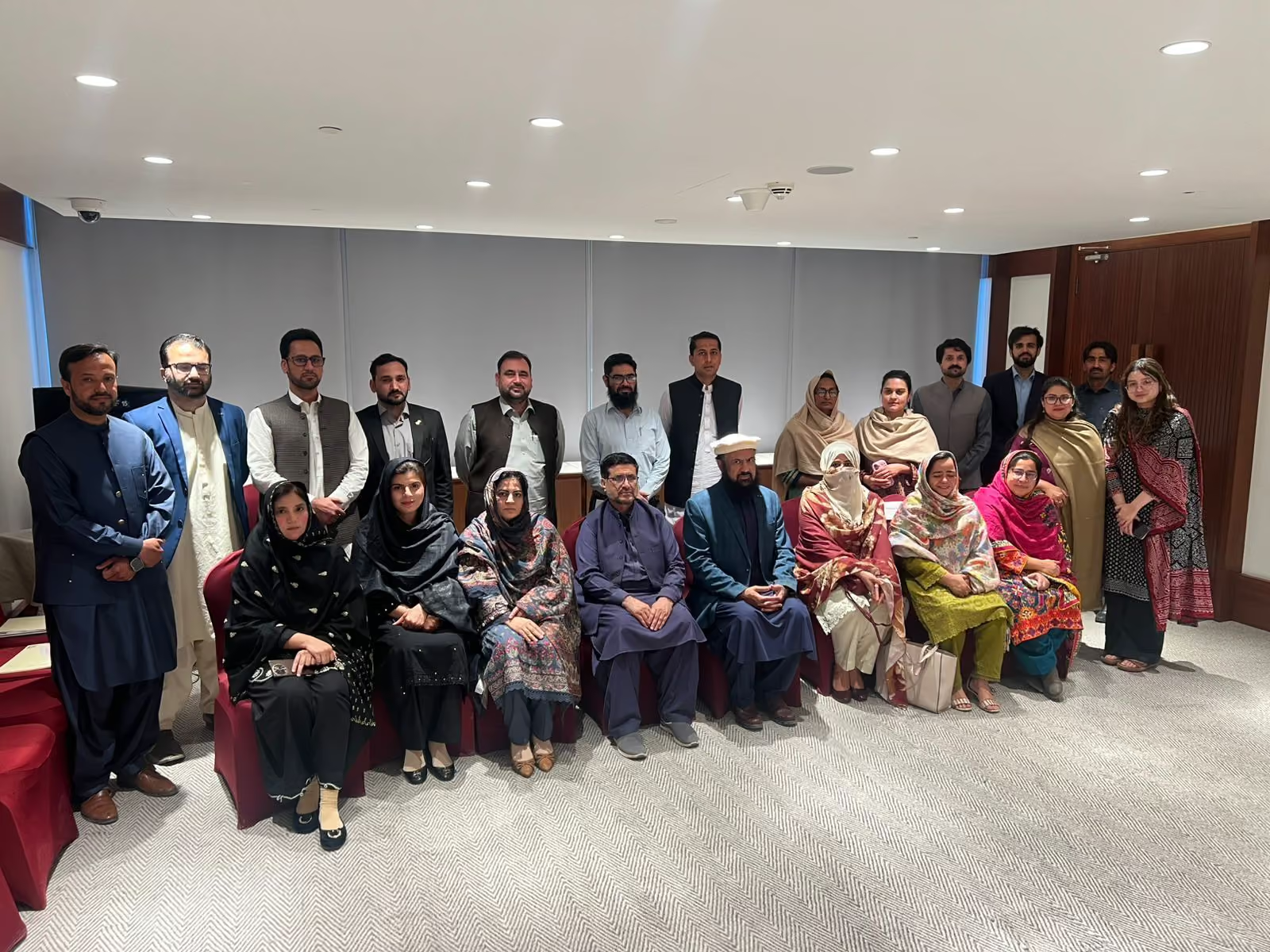
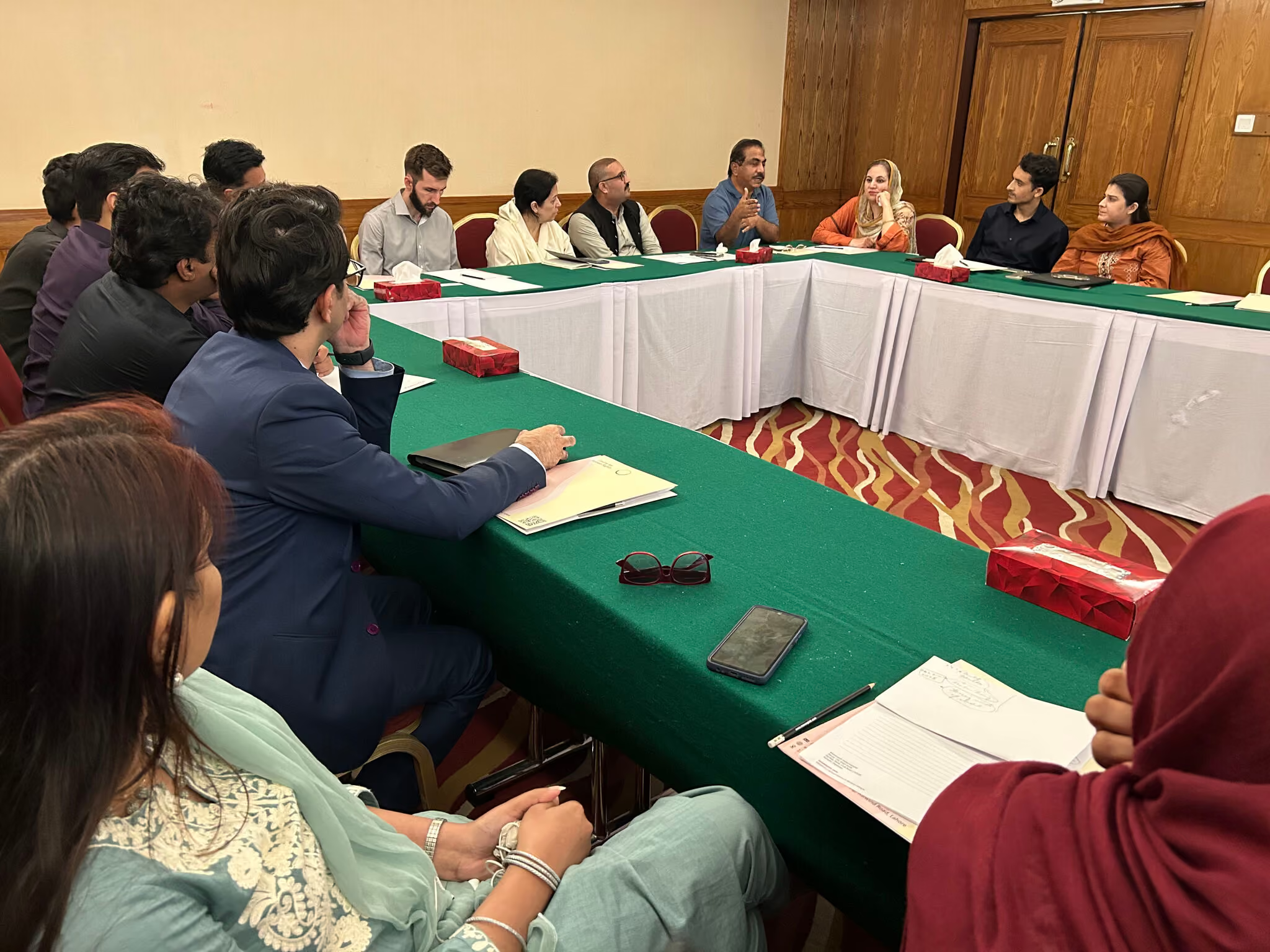
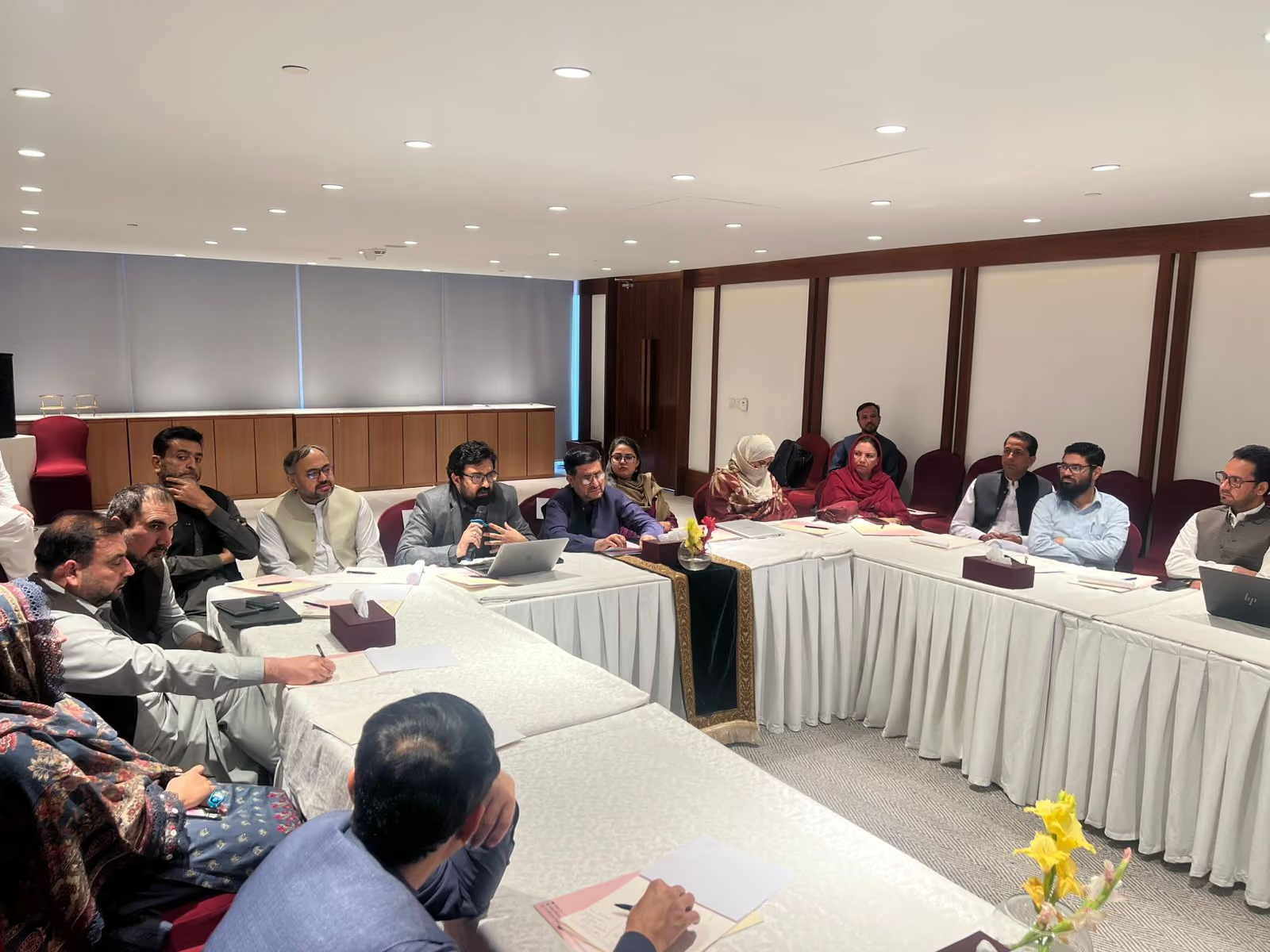
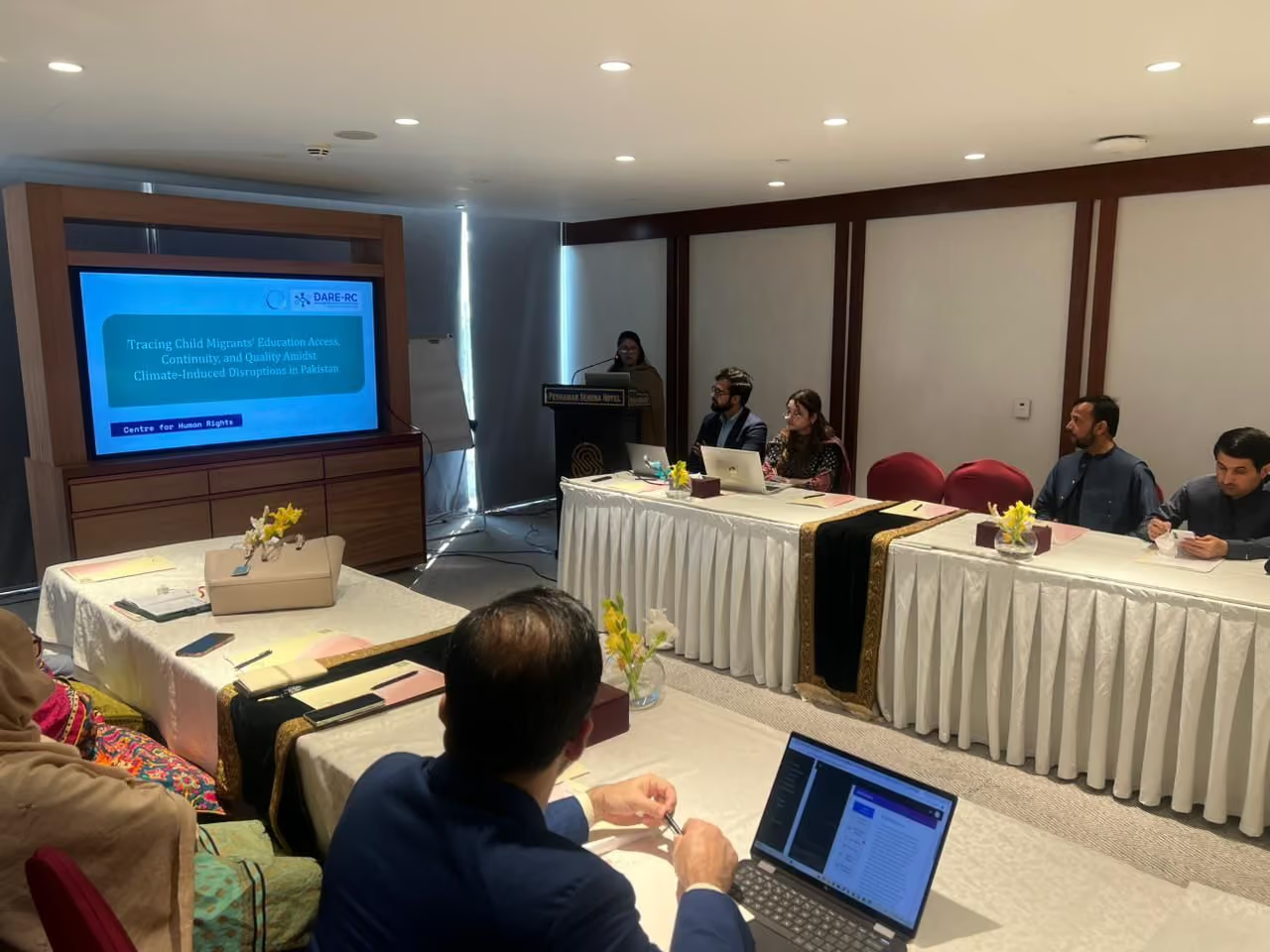
On 26 February 2026, CFHR convened a multi-stakeholder consultation in Peshawar as part of its DARE-RC study, Tracing Child Migrants’ Education Access, Continuity, and Quality Amidst Climate-Induced Disruptions in Pakistan. The consultation brought together 30 participants from government departments, including the KP Elementary and Secondary Education Department, Provincial Disaster Management Authority, KP Child Protection and Welfare Commission and National Commission for Human Rights, alongside UNICEF, GIZ, academic institutions and civil society organisations. CFHR team members Seher Aftab, Research and Advocacy Lead and Principal Investigator for the study; Ali Imtinan, Research and Policy Lead; and Saliha Kamran, Research and Communications Associate, presented emerging findings for discussion and validation. Participants examined barriers such as documentation requirements, geographical isolation, financial constraints, school disruptions and gender-specific vulnerabilities. Discussions focused on applying the findings to education planning under Article 25-A of Pakistan’s Constitution, particularly through improved student tracking, teacher preparedness and coordination across education, disaster management and child protection institutions.
7. Multi-Stakeholder Consultation in Sindh on Child Climate Migrants’ Education | Karachi
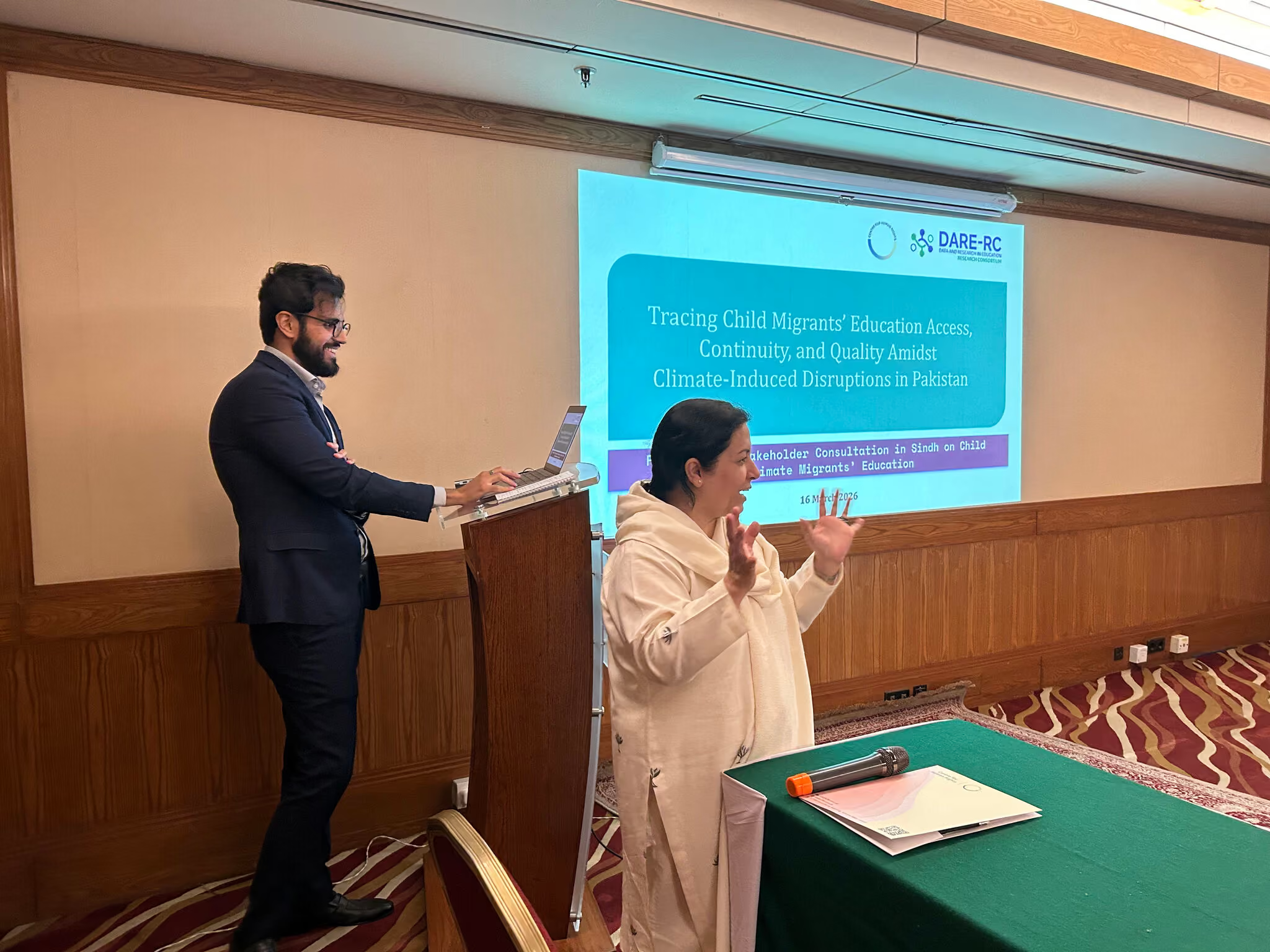
On 16 March 2026, CFHR convened a multi-stakeholder consultation in Karachi as part of its DARE-RC study on climate-induced child migrants’ education. The 23 participants included representatives from the Sindh Education and Literacy Department, Sindh Education Policy Commission, Provincial Disaster Management Authority, International Organization for Migration, academia and civil society. CFHR team members Ali Imtinan, Research and Policy Lead, and Seher Aftab, Research and Advocacy Lead and Principal Investigator for the study, presented emerging findings on how climate-induced migration affects children’s education, including disruptions associated with livelihood loss, child labour, economic vulnerability and difficulties returning to school after migration. Participants discussed the need for flexible learning pathways, better teacher preparedness and child-centred approaches that account for both migration and climate-related risks. With the Sindh Education Sector Plan under development, the consultation also explored how provincial policy could better address migrant children’s educational access, inclusion and continuity of learning.

Local Action, Global Impact
We work across Pakistan, driving legal reform, advocacy, and policy change to protect human rights and empower communities.