Human trafficking remains a serious and widespread human rights violation in Pakistan, affecting thousands of individuals—especially women, children, and marginalized communities. Victims are exploited through forced labor, bonded labor, child labor, commercial sexual exploitation, and forced or coerced marriages.
Despite Pakistan’s ratification of key international frameworks, including the United Nations Convention against Transnational Organized Crime (UNTOC), trafficking networks continue to operate with impunity. Weak enforcement, corruption, and deep-rooted socio-economic vulnerabilities allow these crimes to persist, leaving victims without access to justice or protection.
This is not just a criminal justice issue—it’s a crisis of dignity and human rights. Survivors of trafficking often face lifelong trauma, limited access to rehabilitation, and systemic barriers to reintegration.
At the Centre for Human Rights (CFHR), we combat trafficking through a multi-faceted approach that includes research, capacity building, advocacy, and survivor-centered support. Our work focuses on strengthening legal frameworks, empowering communities, and ensuring protection for the most vulnerable.
Our Work
Project: Building Community Resilience to Combat Trafficking in Persons (TIP) in Pakistan | Key Highlights
Where: Punjab and Khyber Pakhtunkhwa, Pakistan | When: October 2025 – September 2026
CFHR takes a preventive, community-based approach to trafficking in persons, building the knowledge, confidence and local structures communities need to recognise and respond to exploitation risks themselves. Our flagship resilience project delivered:
- 🏘️ 86 community members engaged in a participatory needs assessment informing a Resilient Communities Action Plan identifying local vulnerabilities and priority interventions
- ⚖️ 2 Legal Clinics engaging 13 law students as youth advocates, reaching 124 individuals with legal literacy and awareness support
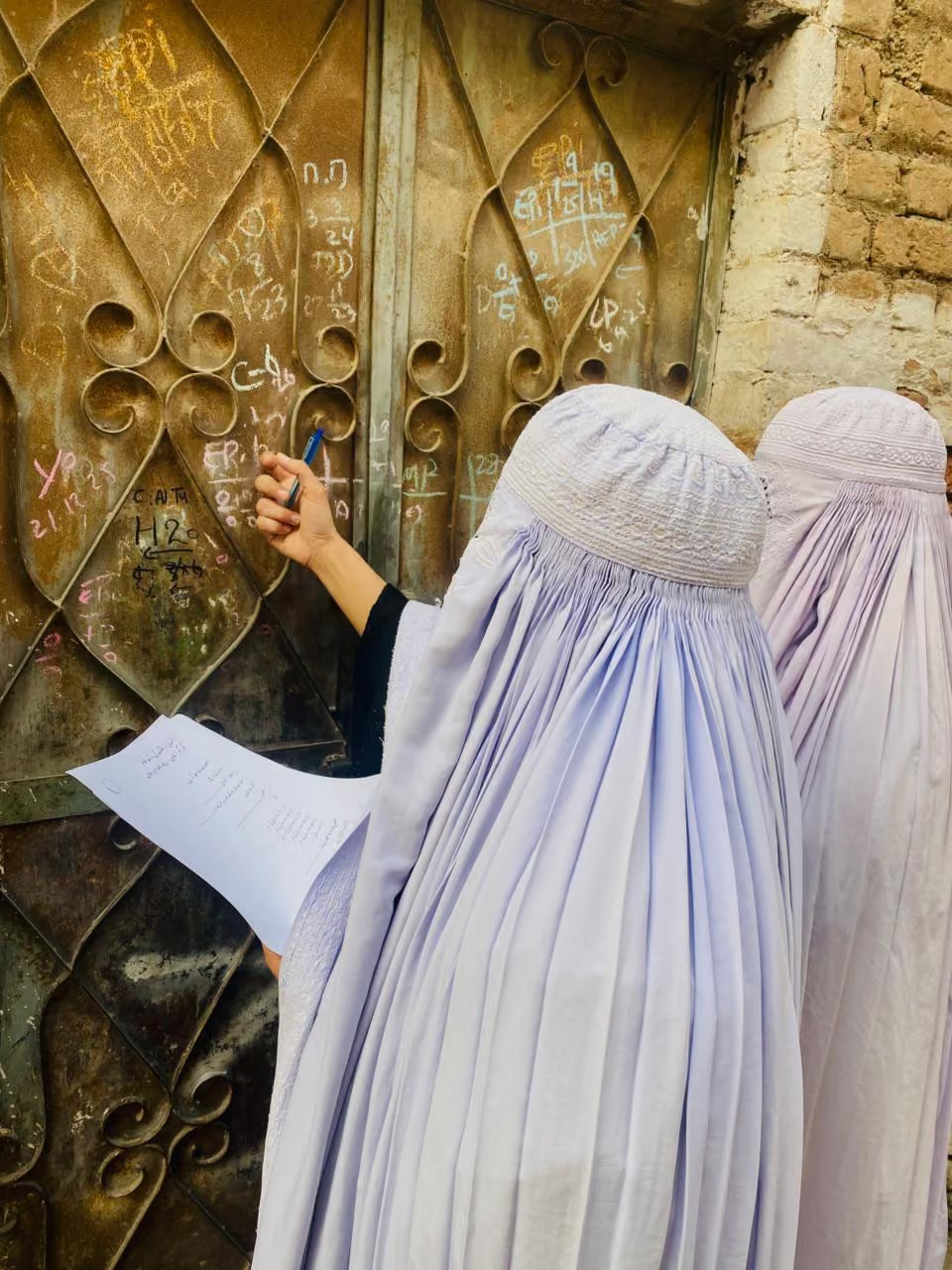
- 👥 2 Community Watch taskforces established — conducting 126 door-to-door awareness sessions and 12 community baithaks reaching 138 participants
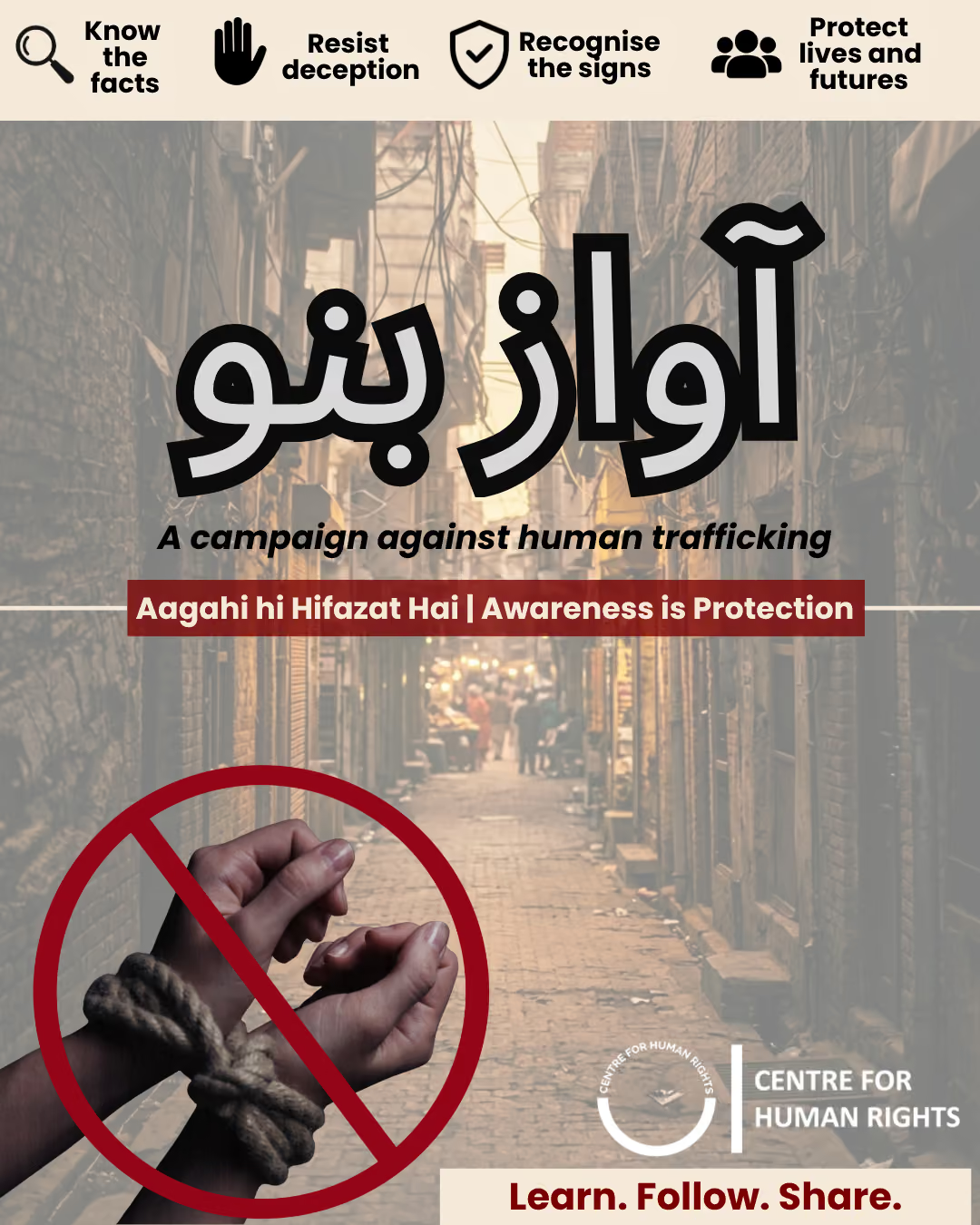
- 📱 #AwaazBano campaign generating 523,138+ interactions across Instagram, TikTok, LinkedIn and Facebook — extending awareness to nearly half a million people nationwide
- 🛡️ 7 requests for legal aid and referral from members of the public who reached out for help after seeing the campaign
- 📊 495 direct beneficiaries (57.6% female), including 324 adults, 171 youth, and community members from a religious minority community in Youhanabad
Read full project details here.
Our Global Role
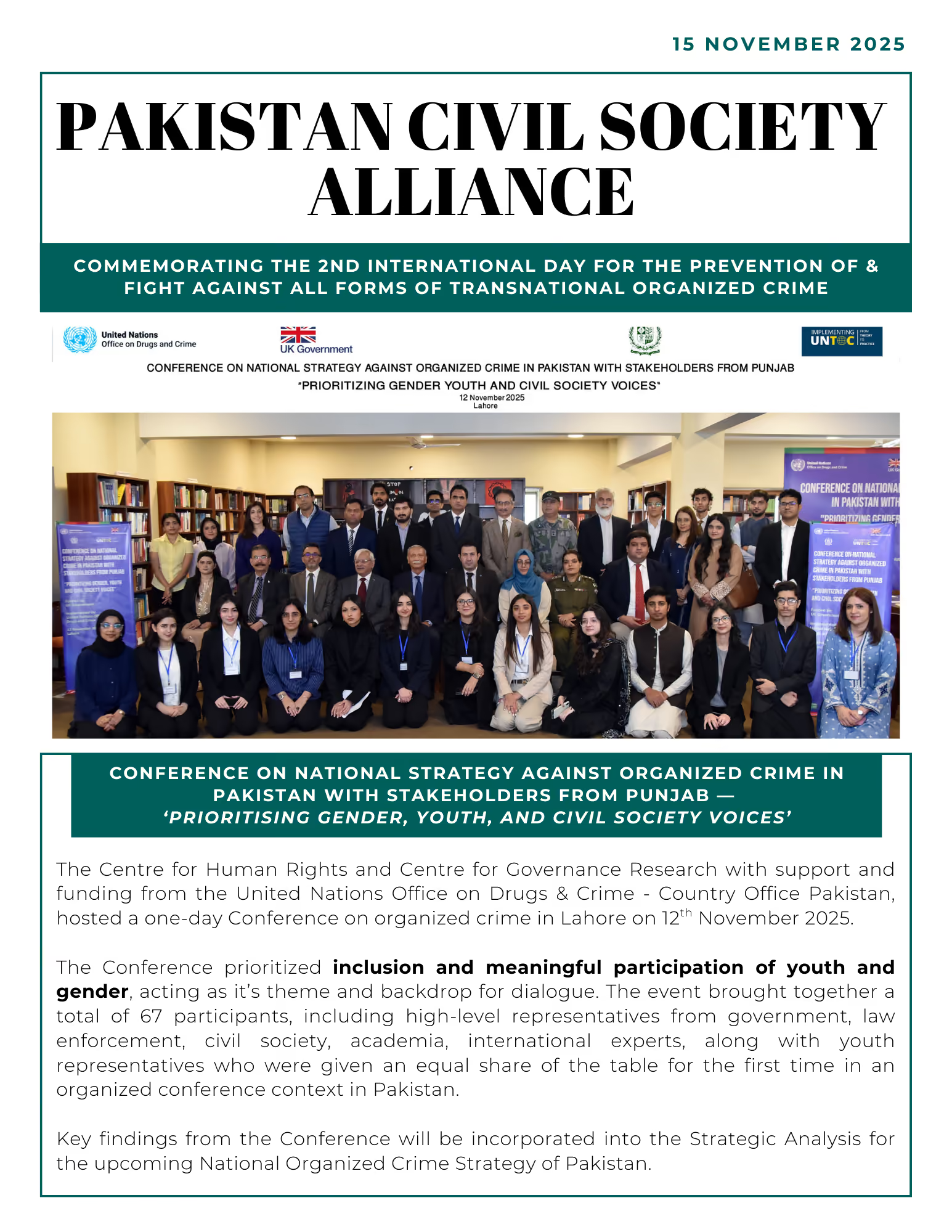
As a member of the Alliance of NGOs on Crime Prevention and Criminal Justice, CFHR brings civil society voices to the forefront—advocating for gender-sensitive, rights-based approaches in counter-trafficking efforts both nationally and internationally.
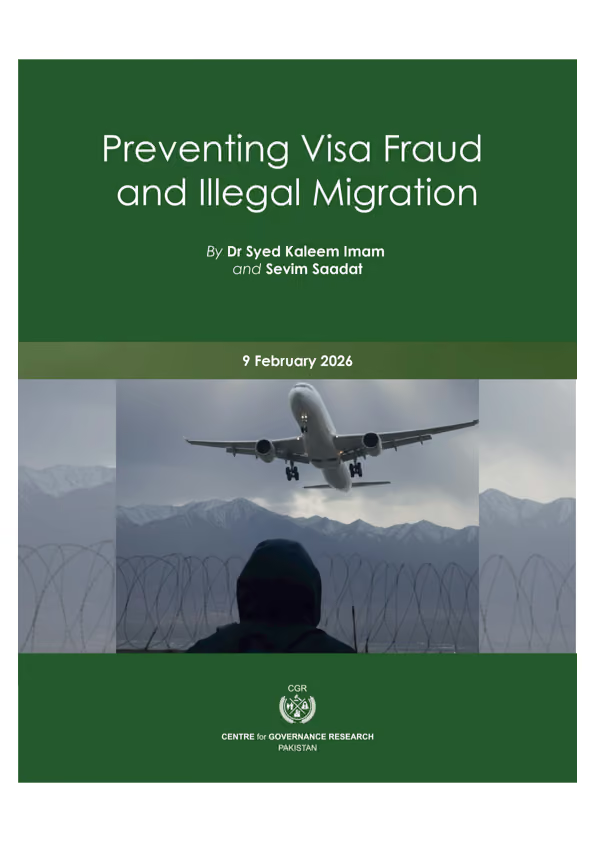
CFHR has also conducted research and advocacy on Smuggling of Migrants and Firearms Trafficking.