
Building Community Resilience to Combat Trafficking in Persons (TIP)
Location: Punjab and Khyber Pakhtunkhwa, Pakistan
Duration: 1 October 2025 – 30 September 2026
Funded by: Resilience Fund - Global Initiative Against Transnational Organized Crime (GITOC)
About the Project:
CFHR's project, Building Community Resilience to Combat Trafficking in Persons, adopted a preventive, community-based approach to anti-trafficking work select communities in Punjab and Khyber Pakhtunkhwa. Rather than focusing solely on responding to exploitation after it has occurred, the project sought to build the knowledge, confidence and structures communities need to recognise, prevent and respond to trafficking risks themselves. Grounded in evidence generated directly from the communities of Landi Arbab (Peshawar) and Youhanabad (Lahore), the project combined legal empowerment, community organising, and a nationwide digital awareness campaign — reaching nearly half a million people while building lasting local capacity.
Trafficking can take forms that are easy to overlook: deceptive recruitment through salons, bonded labour hidden within familiar neighbourhoods, scam centres, and sexual exploitation. In the target communities, many residents had limited or no exposure to TIP concepts, and the project's baseline engagement revealed that community members did not always distinguish between trafficking in persons and the smuggling of migrants (SOM). By adapting its messaging to how communities actually experience and understand risk, CFHR was able to make complex legal concepts accessible and relevant to everyday life.
The project also specifically targeted a religious minority community (Youhanabad, Lahore), a group facing heightened vulnerabilities and making community resilience-building especially significant.
Key Activities:
1. Resilient Communities Action Plan (RCAP)
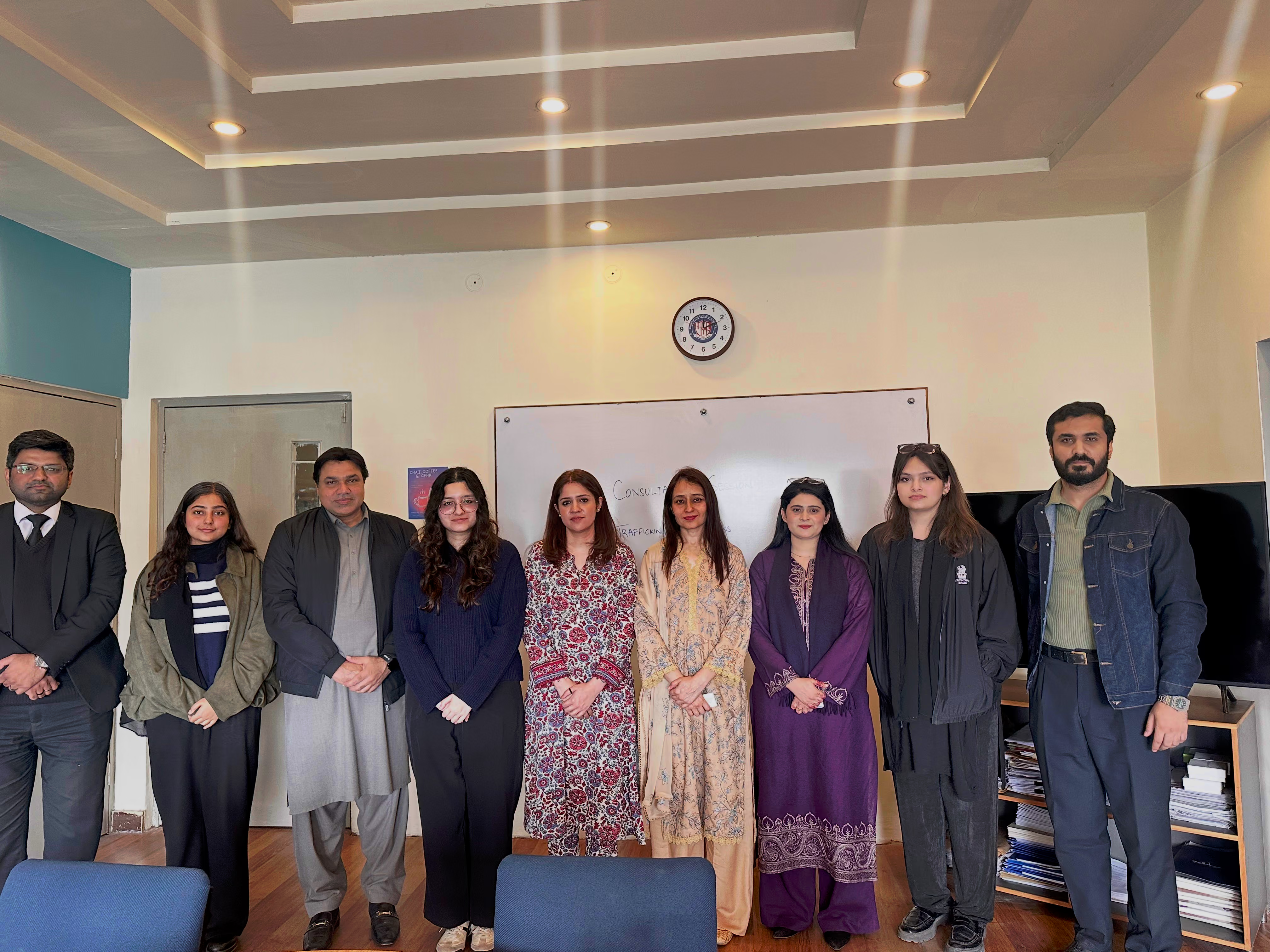
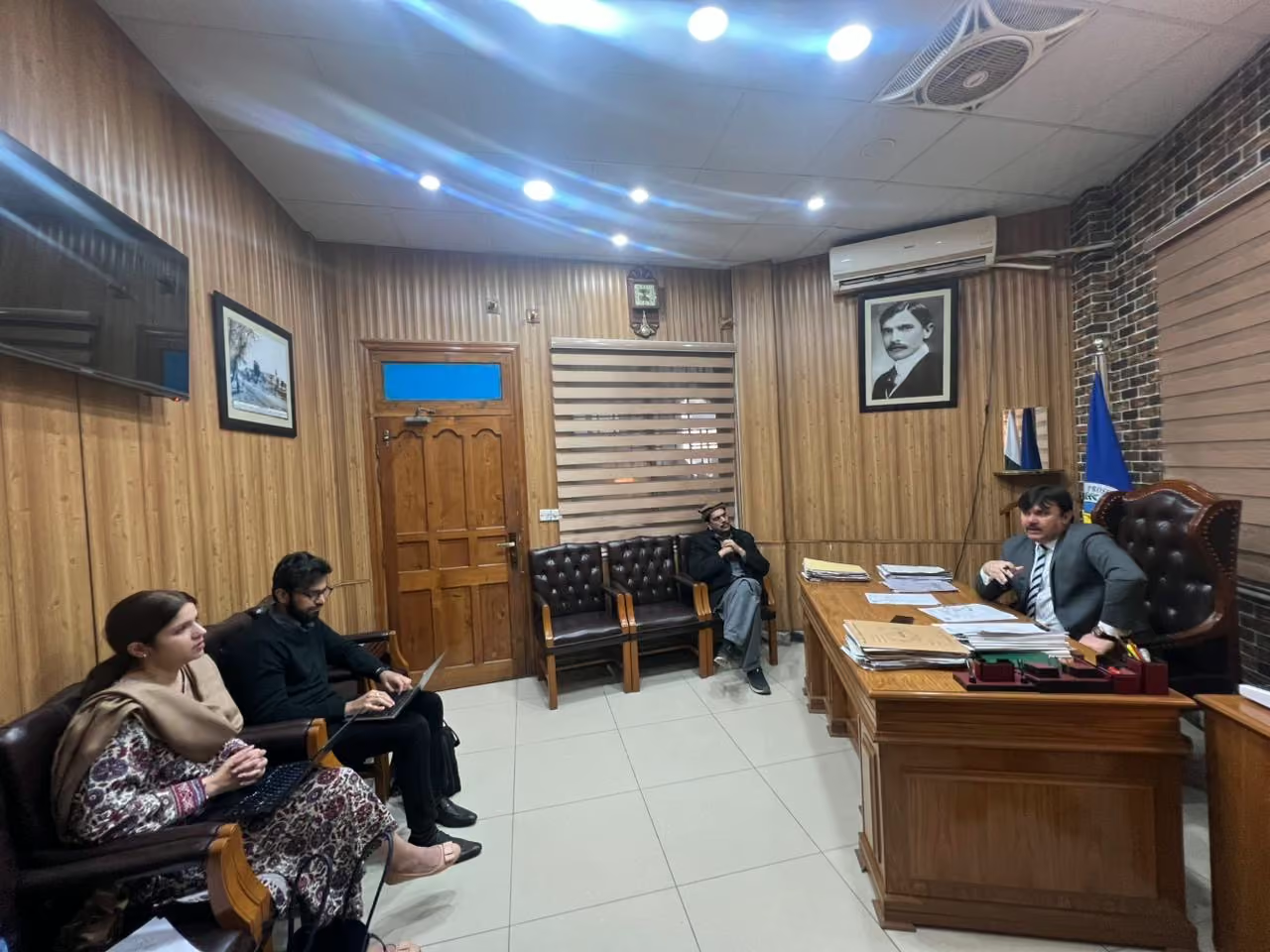
The project began with a participatory needs assessment, utilising Focus Group Discussions (FGDs), Key Informant Interviews (KIIs) and civil society consultations. 86 participants took part, including 46 FGD participants across two male and two female groups, 17 KIIs, and two civil society consultations with 23 participants. The findings informed a Resilient Communities Action Plan identifying community-level vulnerabilities, gaps and proposed interventions, adopting a people-centred, gender-responsive and child-sensitive approach. Click to see RCAP.
2. Legal Clinics on TIP
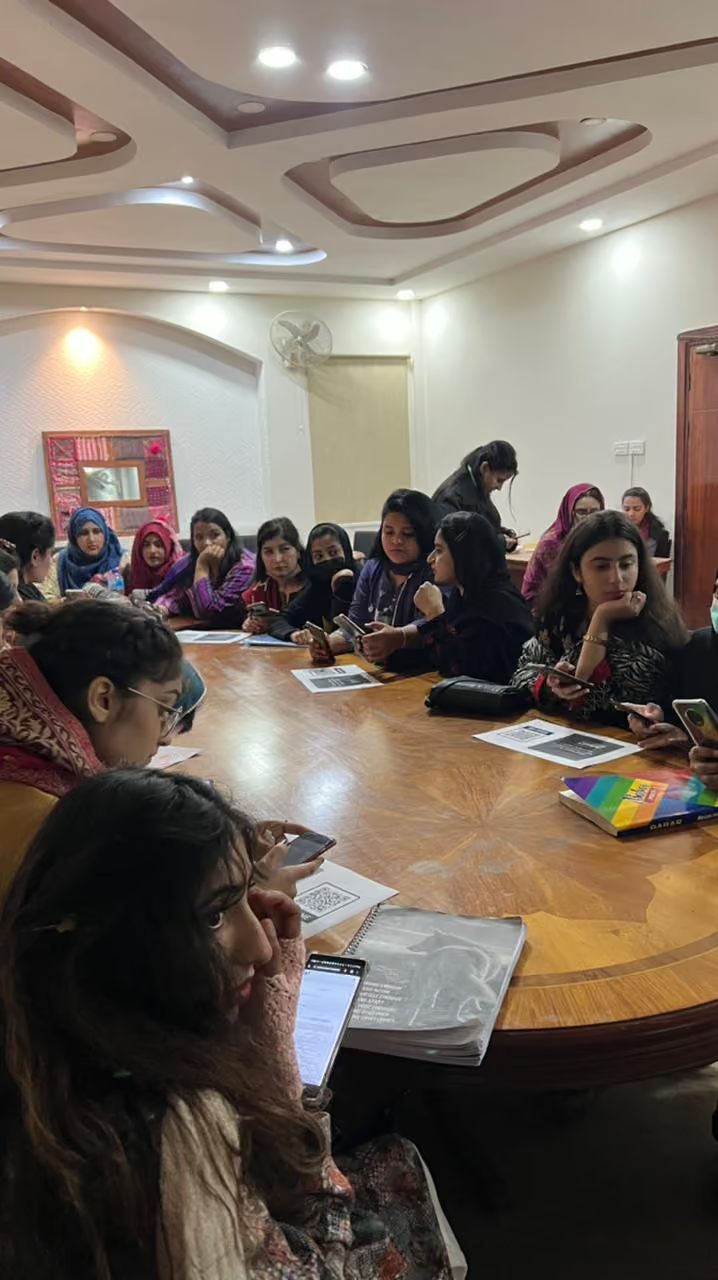
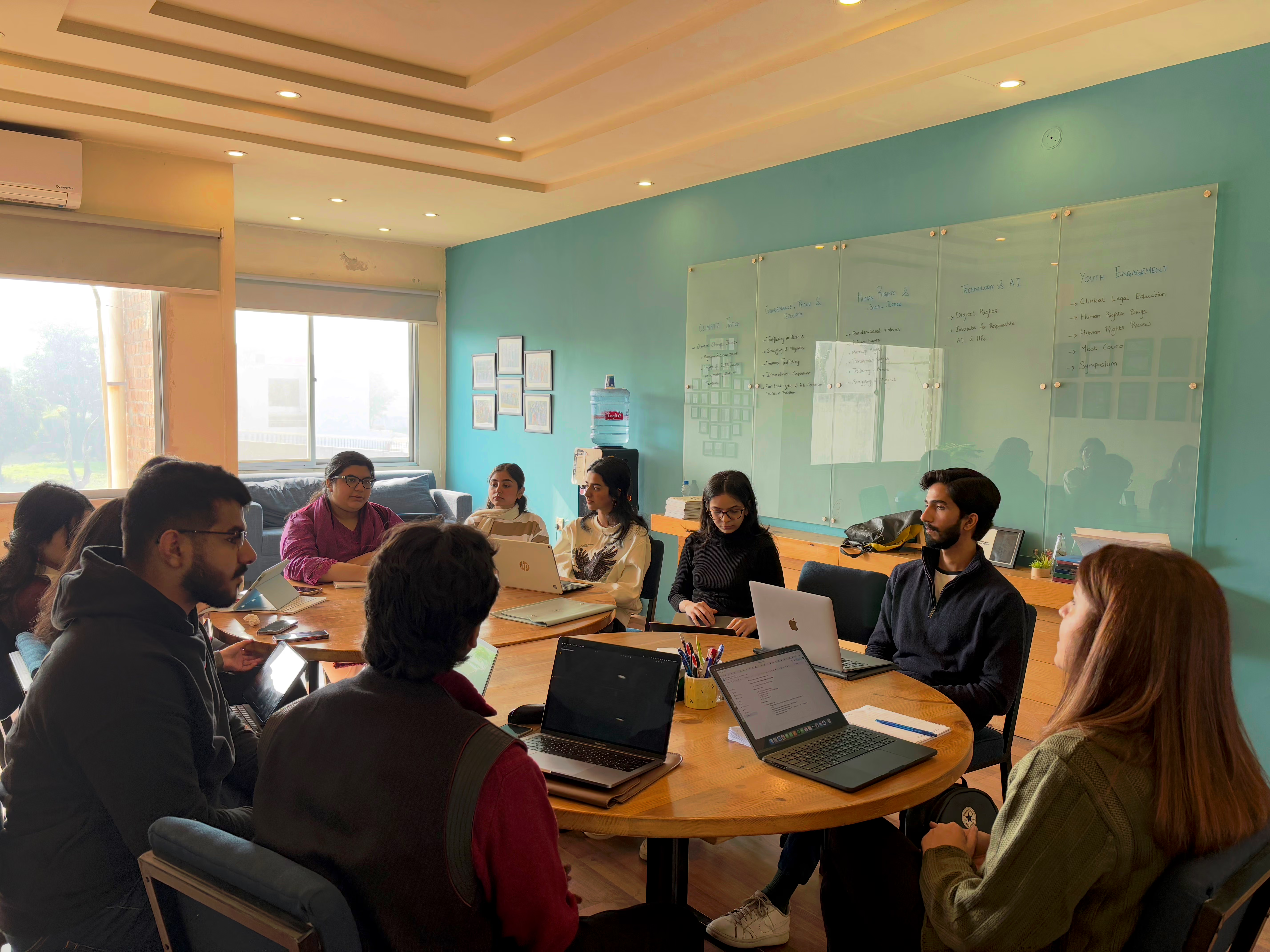
Two legal clinics were established — one at Universal College Lahore (5 law students enrolled) and one in collaboration with Shaheed Benazir Bhutto Women's University Peshawar (8 students enrolled). Students received training on human rights and the legal and social dimensions of TIP, contributed to Community Watch Program training materials, and moved from being recipients of legal education to active youth advocates. Together the clinics reached 124 individuals through legal literacy and awareness activities (25 in Lahore; 99 in Peshawar, including 81 women and 18 men).
3. Community Watch Programs (CWPs)
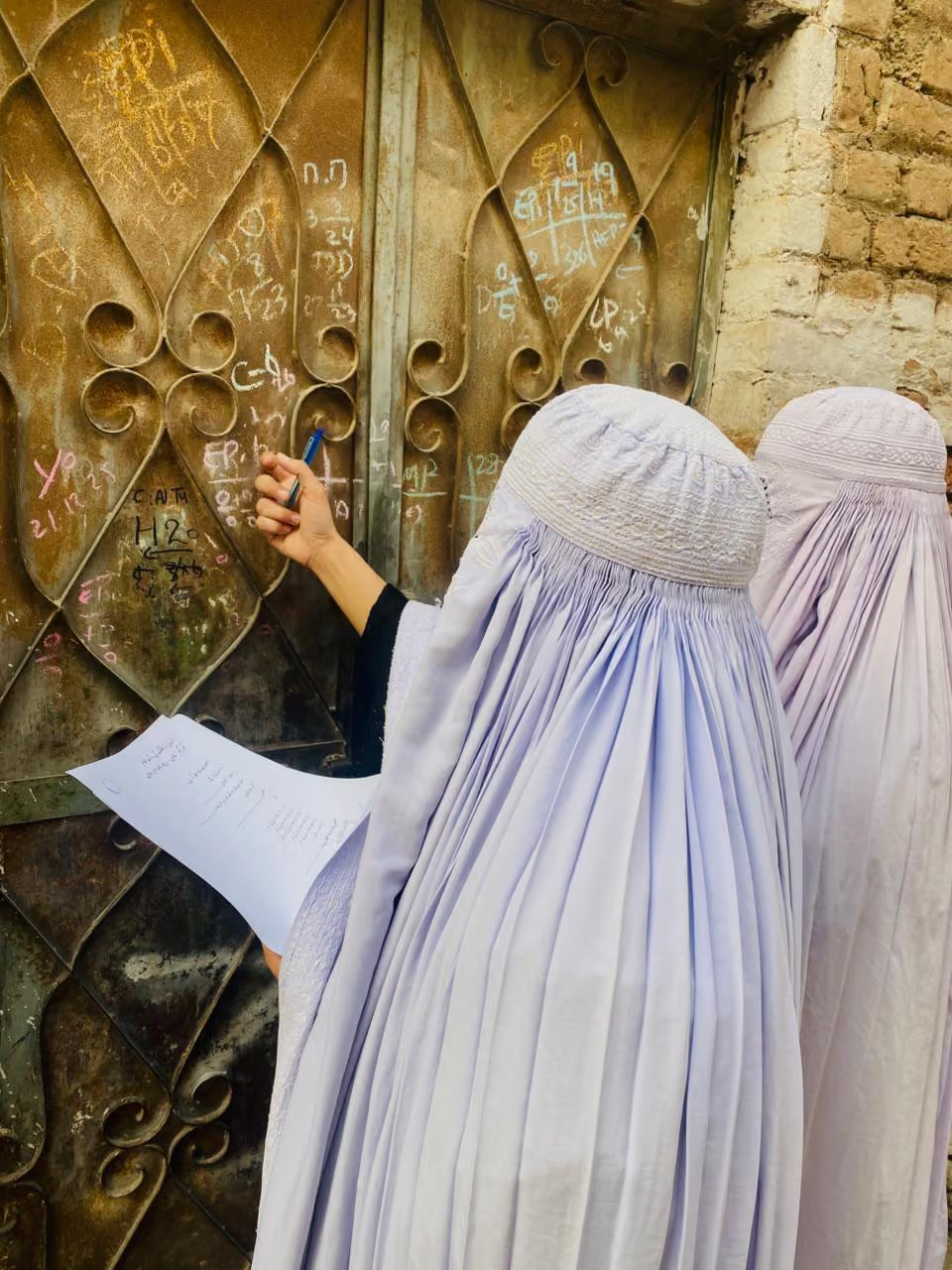
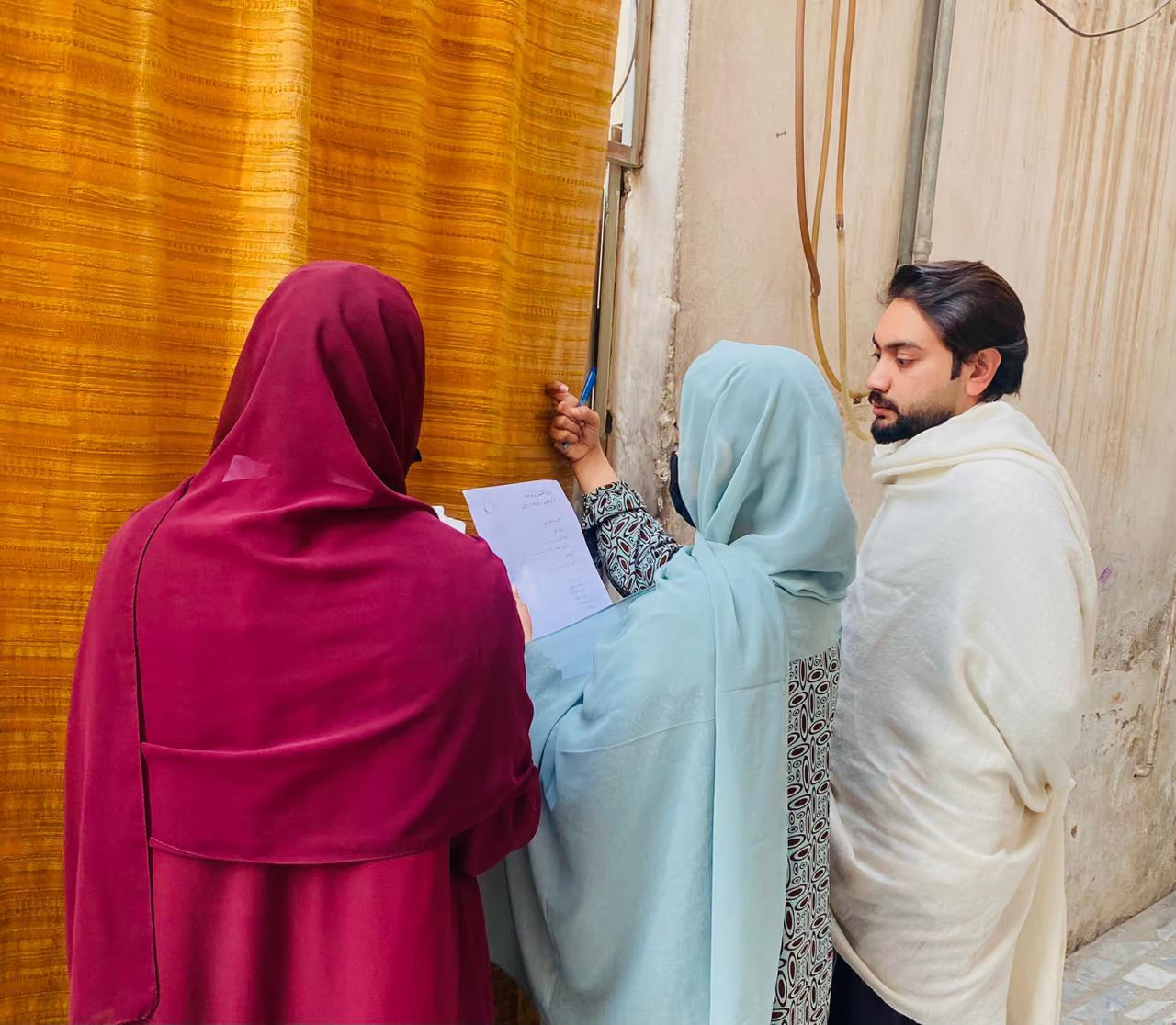
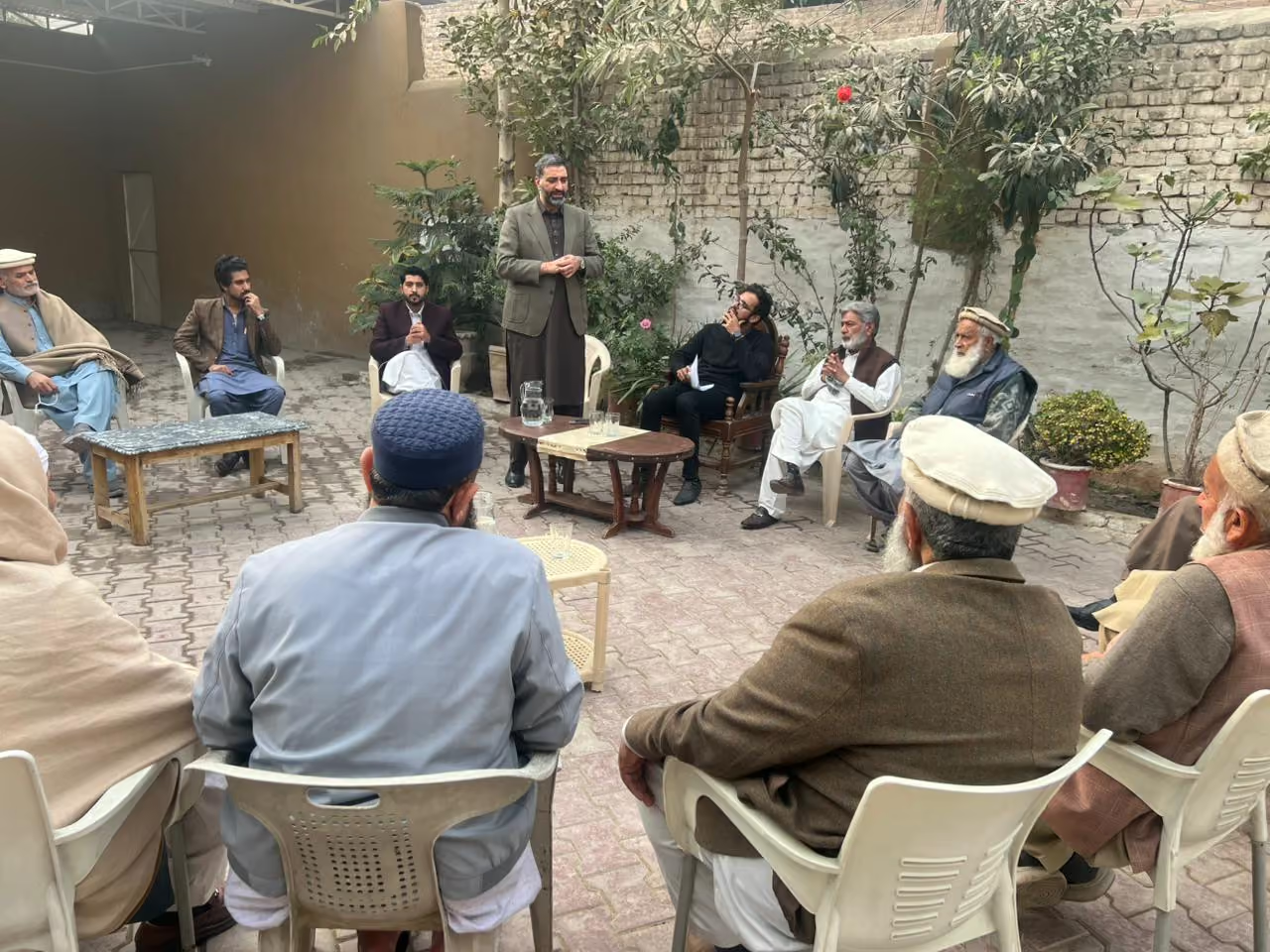
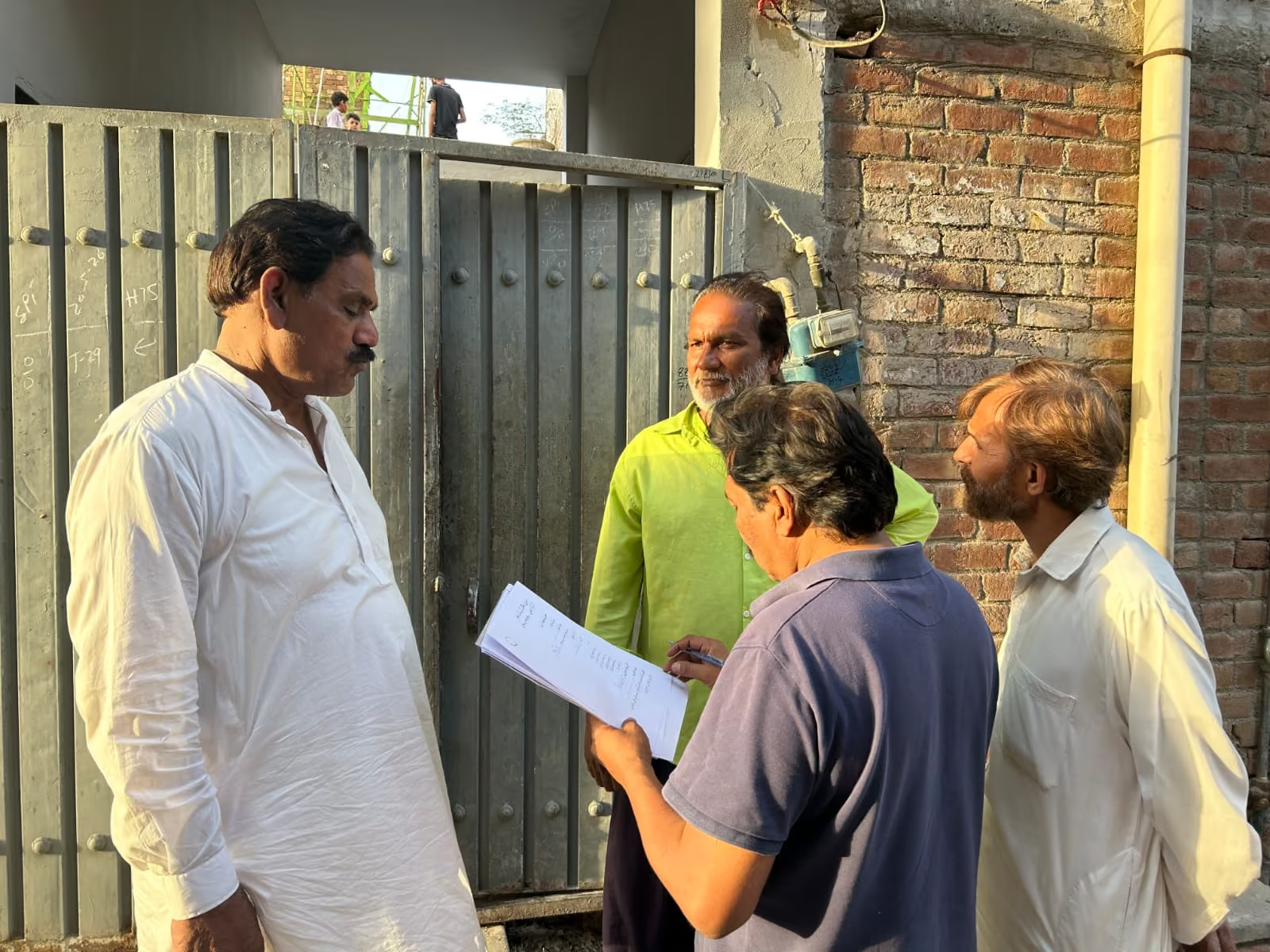
Community taskforces were established in Landi Arbab, Peshawar and Youhanabad, Lahore. Following training, taskforce members moved beyond participation to independently lead prevention work — conducting 126 door-to-door awareness sessions across the two locations and organising community baithaks. This sustained activity over several months demonstrated genuine community ownership of the programme.
4. Community Spaces (Baithaks)
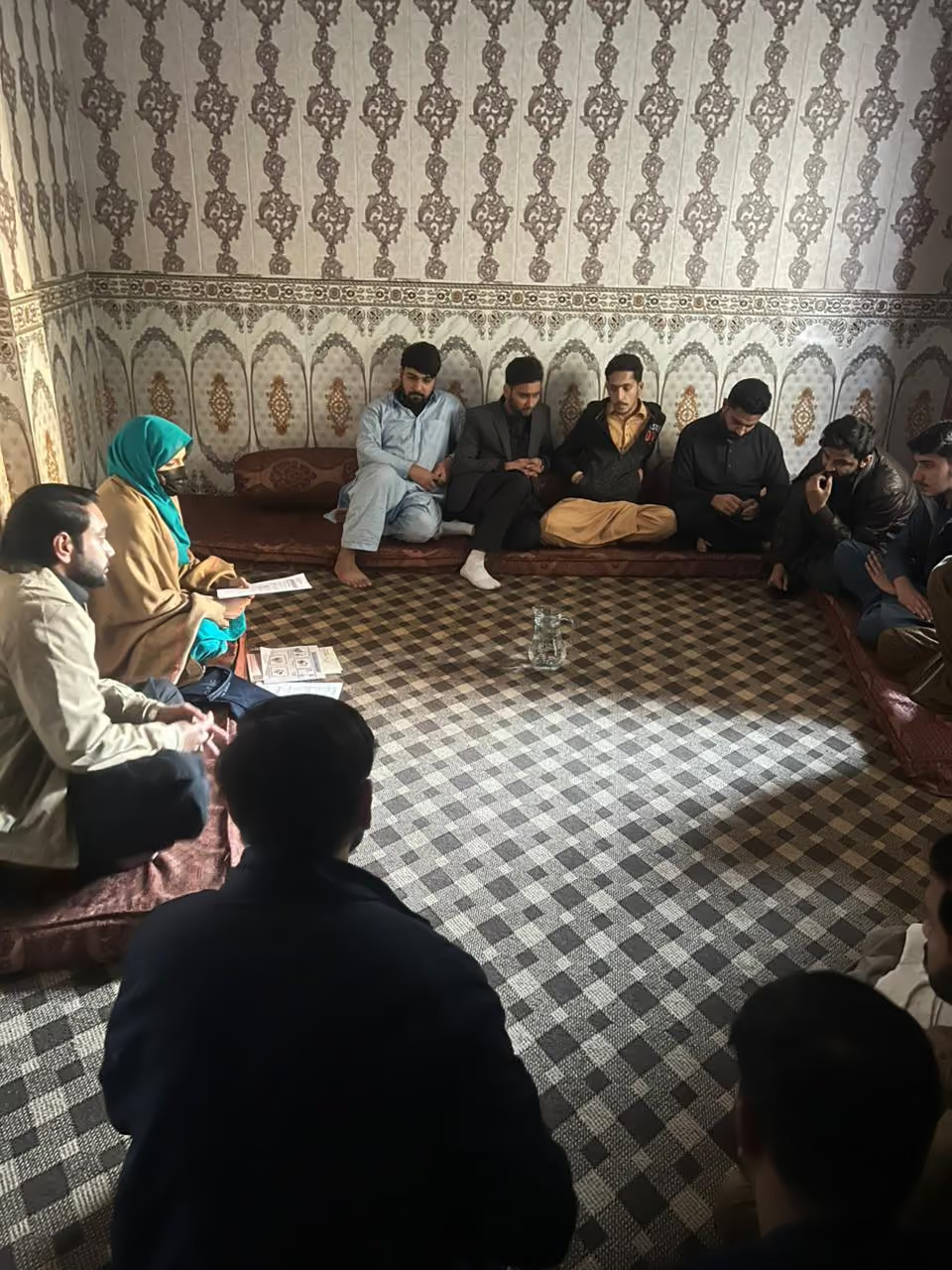
The project used baithaks for discussion on TIP risks, indicators of exploitation, reporting mechanisms and available support. A total of 12 baithaks were conducted with 138 participants, including dedicated male and female sessions, bringing sensitive conversations about exploitation directly into community spaces.
5. #AwaazBano Social Media Campaign
The campaign extended the project's reach far beyond its two target communities. Launched on 14 July 2026 across Instagram, TikTok, LinkedIn and Facebook, the first phase comprised 16 posts, stories, polls and interactive content. A second phase in August, developed with legal awareness content creator Mehaklaw, added five short Instagram reels addressing TIP and smuggling of migrants, bonded labour, scam centres and survivor protection. Cumulatively, the campaign generated over 523,138 interactions and reach. Click to read about the campaign.
Global & National Event Highlights;
1. 15th United Nations Congress on Crime Prevention and Criminal Justice | Abu Dhabi, UAE | September 2026 [
CFHR participated in the session Building Community Resilience to Combat Organized Crime in South & Southeast Asia: Civil Society Perspectives, held on 29 September 2026 at the 15th United Nations Congress on Crime Prevention and Criminal Justice in Abu Dhabi. Representing CFHR, Ali Imtinan shared lessons from the project’s community-based approach to preventing trafficking in persons (TIP) in Lahore and Peshawar.
The discussion highlighted the value of community resilience as a preventive and protective layer against organised crime, particularly where law enforcement responses tend to focus on crimes after they have occurred. Drawing on CFHR’s experience, Ali discussed how door-to-door awareness, community discussions and Community Watch Programs can equip at-risk communities to recognise trafficking indicators, identify risks and raise concerns. He also emphasised the importance of building trust with communities and local authorities, establishing safe channels for reporting concerns, and connecting community-level knowledge with formal response mechanisms.
The session further explored opportunities for stronger collaboration among civil society organisations at national and regional levels, including knowledge-sharing, coordinated advocacy and sustained cooperation across South and Southeast Asia.
Session speakers:
- Moderator: Sarah H. Malik, Global Initiative Against Transnational Organized Crime (GI-TOC)
- Latt Thri Aung, Southeast Asia Harm Reduction Association
- Ali Imtinan, Centre for Human Rights
- Saba Shaikh, Dastak Society
Click to read about CFHRs presence at the Crime Congress.
2. GI-TOC Resilience Dialogue | Lahore, Pakistan | 16 June 2026
CFHR participated in the GI-TOC Resilience Dialogue in Lahore on 16 June 2026, presenting its project, Building Community Resilience to Combat Trafficking in Persons in Pakistan. Ali Imtinan, Research and Policy Lead, and Beenish Zia, Social Inclusion and Partnerships Lead, represented CFHR, sharing the project’s approach to strengthening community-led prevention through legal awareness, Community Watch Programs, community engagement and digital advocacy.
The presentation also featured community taskforce members from Landi Arbab, Peshawar, and Youhanabad, Lahore, who shared their experiences of raising awareness about trafficking in persons and engaging community members in prevention efforts. Their contributions highlighted the importance of locally grounded approaches to recognising trafficking risks, addressing gaps in community awareness and creating opportunities to discuss sensitive issues.
The dialogue provided a platform to share evidence and practical lessons from CFHR’s work, demonstrating how community participation can strengthen awareness of trafficking in persons and support locally led prevention efforts.



Local Action, Global Impact
We work across Pakistan, driving legal reform, advocacy, and policy change to protect human rights and empower communities.