Youth Engagement
Clinical Legal Education
About CFHRs Clinics:

Since launching the Human Rights Clinic in 2018, CFHR has conducted six legal education clinics on key issues, including gender-based violence, women’s marriage rights, refugee rights, and climate displacement. The Clinic provides a dynamic platform for law students to transition from classroom learning to real-world legal practice. The Clinic curriculum covers a range of legal skills, including:

  • Legal Research & Drafting
  • Oral Advocacy & Client Interaction
  • Report Writing & Team Collaboration
  • Ethics & Professional Responsibility

The Clinic empowers students to contribute to reducing inequality and injustice faced by marginalized communities in Pakistan while honing essential lawyering skills. The Clinical Legal Education at CFHR provides students with:

Hands-On Legal Training

Students engage in casework, legal research, and advocacy under the guidance of experienced faculty.

Mentorship & Research Opportunities

Exceptional students work under the mentorship of CFHR Research Fellows.

Taught & Practical Components

Taught component builds legal knowledge, advocacy skills, and professional ethics and practical component provides real-world experience through research and casework.

Key Successes Across Our 7 Clinics

From protecting women’s rights to advocating for environmental justice, our 7 clinics provide targeted, expert support. Here is a snapshot of the transformative impact our clinics are making on the ground:

  • Gender-Based Violence Clinic: Successfully published four policy papers on maternal mortality, two-finger test, rights of transgender persons and economic cost of violence against women in Pakistan, which were presented at Mahidol University and discussed with the UNESCAP team in Bangkok, Thailand, improving capacity and advocacy of 10 students to lead change.
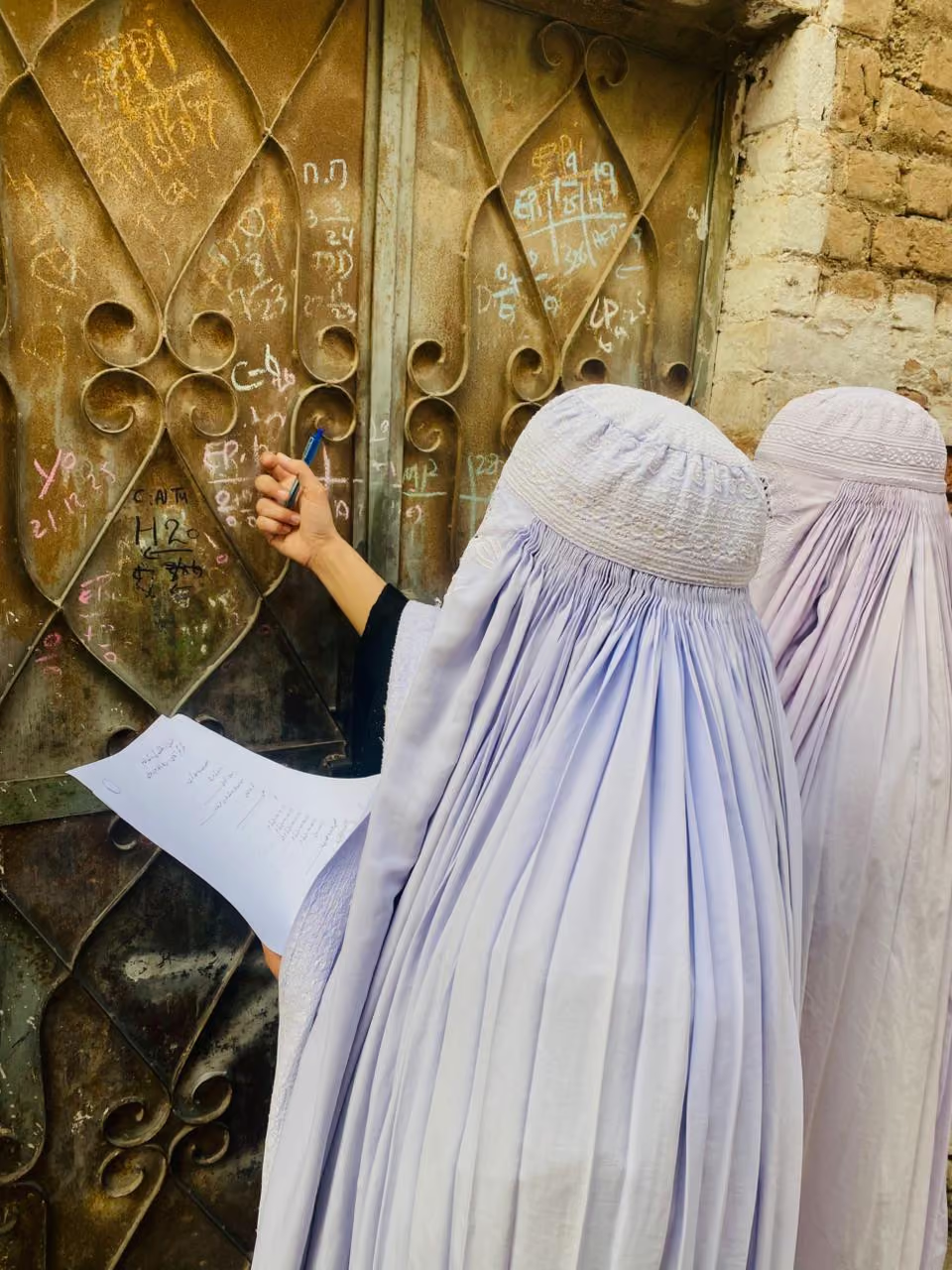
  • Trafficking in Persons Clinic: Conducted awareness sessions with 100+ women, men and children across Lahore and Peshawar on key risks and indicator for trafficking in persons.
  • Marriage Rights Clinic: Conducted seminal research on women's marraige rights, contributed to the Family Law Report on WMRs and conducted an analytical case note for key cases for the online portal. In addition, students led the nationwide campaign Qabool hai? Qabool Hai. Qabool Hai!.
Student Impact & Transformational Change

Our clinics are a two-way street: they provide vital legal services to the community while shaping the social conscience of future legal professionals.

  • Youth as Advocates: Over 50% of students who participate in our legal clinics go on to pursue careers in public interest law or human rights.
  • Practical Experience: Students don't just research; they draft petitions, conduct client interviews, and represent clients under the supervision of senior CFHR lawyers.
  • Innovative Materials: Students across our clinics have contributed to the development of 10 legal manuals, toolkits, and policy briefs used by other civil society organizations.
Why This Matters

Investing in CFHR’s Clinical Legal Education program is an investment in a sustainable legal ecosystem. By funding our 7 clinics, you are not just funding today’s legal cases—you are training the human rights defenders of tomorrow, creating a ripple effect of justice that will last for decades. We are bridging the justice gap today while building the capacity of the legal profession for the future.

A lightbulb representing an idea next to the question "What is Algorithmic Unfairness" and a large question mark. The logo for "Institute for Responsible Artificial Intelligence & Human Rights" is in the bottom right corner.

Building Community Resilience to Combat Trafficking in Persons (TIP)

CFHR's Building Community Resilience to Combat Trafficking in Persons project strengthened community-led prevention of trafficking in Lahore and Peshawar — training youth advocates and community taskforces, running 126 door-to-door awareness sessions and 12 baithaks, and reaching over half a million people through the #AwaazBano campaign.

Building Community Resilience to Combat Trafficking in Persons (TIP)

Climate Displacement Clinic (Ongoing)

The clinic documents challenges faced by women and girls due to climate displacement, focusing on their rights and vulnerabilities. Clinic students contribute through research, policy analysis, and advocacy to protect these women and girls.

Climate Displacement Clinic (Ongoing)

Human Rights and Justice Clinic (2023-2024)

Students conducted 2023–24 research on climate displacement, urban wildlife loss, and voting barriers for marginalized communities across Punjab and beyond.

Human Rights and Justice Clinic (2023-2024)

Marriage Rights Clinic (2022-23)

CFHR's Marriage Rights Clinic trains law students to uphold women's marriage rights in Pakistan, using Nikkahnama expertise & combating disinformation.

Marriage Rights Clinic (2022-23)

Vulnerable Groups Clinic (2019-2020)

The CFHR's Refugee Rights Clinic, active from 2019-2020, empowered students to engage with Pakistan's refugee crisis, focusing on the right to education. The clinic's research, resulting in the report *Humanizing Refugees in Pakistan*, advocated for policy reforms to improve refugee children's access to schooling.

Vulnerable Groups Clinic (2019-2020)

Gender Based Violence Clinic (2018-2019)

In 2018, CFHR and Arizona State University launched a clinic on gender-based violence in Pakistan, equipping students with research and advocacy skills.  Students focused on maternal mortality, the two-finger test, economic costs of violence, and transgender rights, culminating in policy briefs and a visit to Mahidol University in Thailand.

Gender Based Violence Clinic (2018-2019)

Arizona State University - Legal Education Support Program (LESP)

Sevim Saadat directed the first two phases of LESP, improving Pakistani law students' writing and practical skills.  Her contributions included curriculum development, training, and managerial oversight across seven universities.

Arizona State University - Legal Education Support Program (LESP)

Related Publications

No items found.

Local Action, Global Impact

We work across Pakistan, driving legal reform, advocacy, and policy change to protect human rights and empower communities.

Our Work
Our Partners